Huma|n/A|natomy
The Brain
Apothcrypha is not a doctor.
I am neither a doctor nor do I play one on TV, this is just my story of Long Covid and what has worked for me. This site is an ongoing project. If you have any questions, concerns, anything to add, please do contact me!
Huma|n/A|natomy
The Brain
Apothcrypha is not a doctor.
I am neither a doctor nor do I play one on TV, this is just my story of Long Covid and what has worked for me. This site is an ongoing project. If you have any questions, concerns, anything to add, please do contact me!
…is a beautiful thing
Something happened during my initial COVID infection in 2020 that, for lack of a better term, felt like my brain had ‘short-circuited.’ I experienced a peculiar pulling pain behind my eyes and sharp, stabbing sensations in the back of my head—it was something I had never felt before but instinctively knew wasn’t normal. Reflecting on it now, I believe it may have been due to inflammation triggered by the infection. (Update: Yes, it was and YIKES at what happened.)
The phrase “Since COVID” is a often used around here because since COVID, none of us have been right. Since COVID, our bodies have changed and thus affected our everyday lives in ways we never imagined. And since COVID damaged me at the cellular level, my life may never be the same, but it means I can help you because I know that since COVID you or someone you love likely also hasn’t been right… so here we are.
Managing inflammation during the acute phase of infection is crucial. While vaccines & treatments are now available and strains have weakened, this advice remains relevant for anyone facing an initial infection. Keep your inflammation down.
The neurological symptoms amplified my depression & anxiety, turning the simplest task of existing into an insurmountable challenge. There was the unpredictable ‘COVID rage,’ which was like having an imposter take over my body, and the relentless brain fog that stole my vocabulary. It felt as though I were the walking dead. To date, my first indication of a new COVID-19 exposure or infection is the COVID rage, but I no longer test positive for COVID.
As a working creative, having a malfunctioning brain was incredibly disheartening. I lost clients because I couldn’t work no matter how badly I wanted to. It was dark as I felt my body & brain deteriorating. After starting Low Dose Naltrexone I was able to begin taking work on again. I still heavily rely on the LDN, but I am also still improving over time on it.
Most of the coping mechanisms I’ve included below aim to ease the burden on the brain. They are designed to reduce overwhelm and conserve mental energy, allowing you to direct your cognitive resources towards living life more fully, while supporting a restorative state.
Contents
Brain & mental health tips for living with Long Covid
I know some of this may sound like white noise but if it’s in here… it’s important & will make an impact for someone. Always remember that COVID 19 affects everyone differently and there are over 200 recorded symptoms of Long Covid. Covid-19 can also re-activate dormant viruses which adds an additional layer of complication. Its important to note that change in the brain is cumulative, taking both time & consistency.
This isn’t going to happen over a single night. Welcome to your new life.
- See a doctor. It's likely they aren't going to find anything wrong, however it's important to rule out any other issues that Covid may have flared up because it angers all sorts of things.
- Accept that you may have to work for your health moving forward and its possible we may never fully recover, but in some ways you may end up better than you were before.
- Be patient with yourself. Everything takes longer with Long Covid
- Try to be patient with others and ask for their patience in dealing with your limitations
- You are NOT useless
- There will be better days. Maybe not tomorrow, maybe not the next day, but there will.
- Handwritten sticky notes and notebooks are your friend
- Reduce inflammation by avoiding triggers and incorporating anti inflamatory foods into your diet.
- Refuel your brain with nutrient rich brain foods
- Wear a sleep mask. 30% of your brain's resources are dedicated to processing visual input.
- Headphones with soft orderly INSTRUMENTAL music for when the tinnitus gets annoying.
- Brainwave therapy soundracks to help usher your brain into the Theta & Delta states where the brain can heal
- Earplugs or noise cancelling headphones to reduce input
- Join a support group
- Activate the parasympathetic nervous system & stimulate the vagus nerve via breathwork, hummming or singing
- Try not to overexert yourself mentally, physically or emotionally to avoid Post-Exertional Malaise (PEM)
- Manage brain & body energy with the energy bank system below
- Learn your new limits, which are an ever moving target. Listen to your body to try to anticipate its needs based on how you feel and stop BEFORE you exhaust yourself.
- If you can't do it today, tomorrow is another day.
- Take breaks often & whenever needed
- Prioritize Sleep. REM & non REM sleep states are where your brain does its healing. The Alpha, Theta & Delta brainwaves drive cellular repair, detoxify the brain, and enhance cognitive restoration
- Reduce inflammation by avoiding triggers and incorporating anti inflamatory foods into your diet.
- Refuel your brain with nutrient rich brain foods
- Stay hydrated
- Get a creative outlet. whether it's writing, art, music, AI a|rt. Expressing yourself in some way will help
- Humor is important
- Ask your doctor about the compound drug Low Dose Naltrexone. It has made a tremendous impact on the neurological symptoms & pain
- Talk to your doctor about antivirals to combat any dormant viruses that may have been awakened.
- Take a break. Language consumes a good chunk of our brain's processing power.
- Qi Gong Lymphatic Massage
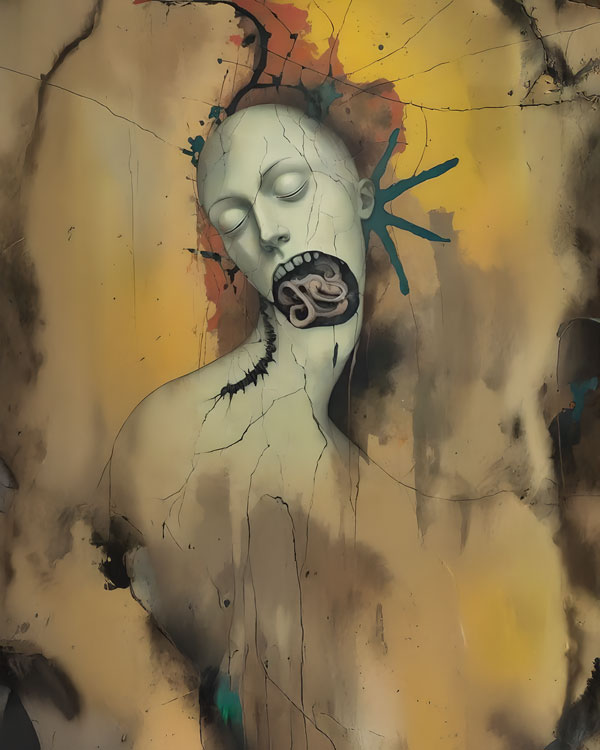
Title: Bleh
Autonomic Dysfunction/ Dysautonomia
It feels like nothing is working right because nothing is working right.
The autonomic nervous system (ANS) is responsible for everything your body does automatically—the functions that keep you alive and balanced without you having to think about them. It regulates heart rate, blood pressure, digestion, breathing, temperature control, metabolism, and even immune responses.
In Long COVID, the autonomic nervous system becomes dysregulated, meaning it no longer shifts between the sympathetic & parasympathetic states properly. Many people experience:
An overactive sympathetic system (chronic fight-or-flight mode) which leads to racing heart, anxiety, insomnia, poor digestion, and high inflammation.
A weak parasympathetic system (poor rest-and-digest function) → Results in fatigue, dizziness, slow digestion, and trouble recovering from stress or exertion.
This dysfunction can lead to conditions like POTS (Postural Orthostatic Tachycardia Syndrome), orthostatic hypotension, and gastroparesis, where everyday activities like standing up, eating, or exercising can feel overwhelming.
Sympathetic vs. Parasympathetic Nervous System
The Sympathetic Nervous System ("Fight or Flight")
This is the body’s stress response system—the one that kicks in when you’re in danger, under pressure, or need to react quickly. When the sympathetic nervous system is activated, it:
- Increases heart rate and blood pressure to send oxygen to muscles.
- Slows digestion so energy isn’t wasted on processing food.
- Widens airways to take in more oxygen.
- Releases stress hormones like adrenaline and cortisol.
- Makes you feel alert, anxious, or restless.
This system is essential for survival but isn’t meant to be active all the time. In Long COVID and dysautonomia, it often stays switched on, leaving people in a constant state of stress or overactivation.
The Parasympathetic Nervous System ("Rest and Digest")
This is the recovery system—the part of the ANS that allows the body to relax, repair, and function efficiently. When the parasympathetic nervous system is activated, it:
- Slows heart rate and lowers blood pressure for relaxation.
- Stimulates digestion so nutrients can be absorbed properly.
- Regulates immune function and inflammation.
- Helps the body repair tissues and restore energy.
- Promotes deep sleep and relaxation.
The vagus nerve is the main controller of the parasympathetic system, playing a huge role in regulating heart rate, digestion, and inflammation. When the vagus nerve isn’t working properly—whether due to viral damage, chronic stress, or inflammation—people can struggle with poor digestion, heart rate instability, sleep issues, and chronic inflammation.
Autonomic Support
Because the autonomic nervous system is so deeply connected to breathing, movement, nutrition, and stress regulation, retraining it requires a multi-system approach. Many people with dysautonomia benefit from vagus nerve stimulation, slow deep breathing, hydration and electrolytes, and gentle movement protocols to help rewire their system. Supporting mitochondrial function and circulation can also make a big difference in improving autonomic balance.
Understanding how the autonomic nervous system works can help to regaining control over symptoms that may otherwise feel random and unpredictable. By supporting the nervous system’s ability to regulate itself, the body can slowly return to a more stable state, which can help to start regulating the rest of the body.
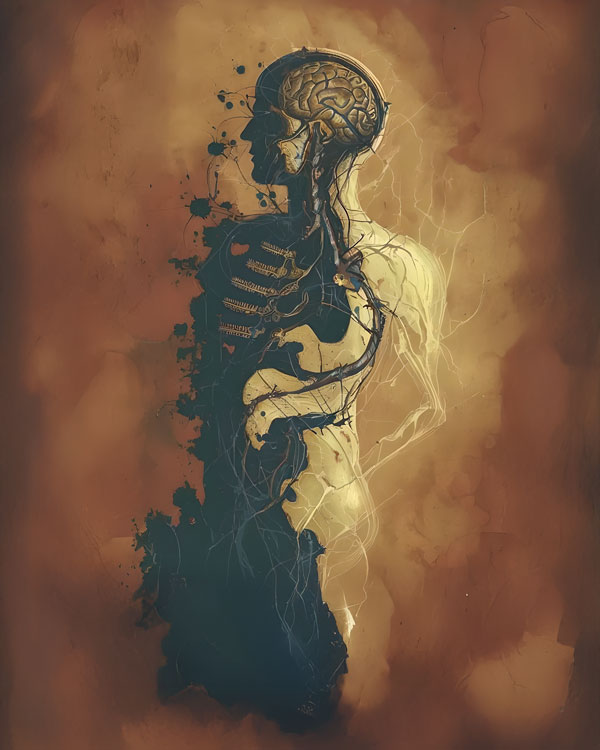
Title: Cellularly Defunct
Mitochondrial Dysfunction
Mitochondria, as I’m sure you know, are the “powerhouse of the cell” converting oxygen & nutrients into ATP (adenosine triphosphate).
ATP is the energy behind your movement, cognition, circulation & repair so when your mitochondria malfunction it can cause a cascade of symptoms.
Muscles weaken, recovery slows, and your endurance is gone. Thoughts fragment mid sentence, words go missing. There were times I would sit at my computer to work and stare at my screen for an hour before giving up. The heart struggles to regulate rhythm & circulation. The immune system misfires—either overreacting in chronic inflammation or standing down when defense is needed.
The most disconcerting thing of all is these damaged mitochondria produce more free radicals which accelerates oxidative stress & degrades mitochondrial integrity and further compounding the problem.
When given the right inputs via nutrients, oxygen, movement, restoration, mitochondria can adapt, repair, and rebuild. The body can regain its ability to sustain itself. Cells need raw materials to rebuild. CoQ10 and NAD+ drive ATP production. Magnesium and B vitamins fuel enzymatic processes. Alpha-lipoic acid and polyphenols neutralize oxidative stress. Movement signals mitochondria to adapt. Oxygen must reach tissues efficiently, pulling nutrients where they are needed. Sleep must be deep enough for mitochondrial repair.
I will delve into Cellular & Mitochondrial Dysfunction in detail in its own section of the website coming soon because it is incredibly complicated and vital that we start supporting mitochondrial function NOW.

Title: Long Covid Revisited
Post-Exertional Malaise (PEM):
The Energy Bank Has Declared You Bankrupt
Before COVID we had what I like to call an “Energy Credit” where if we overextended ourselves or missed a night of sleep it wouldn’t affect us very much. We may have been a little tired, but we could compensate with a cup of coffee and carry on abusing our bodies with minimal consequence… and let’s be honest we were all probably abusing our bodies in some way.
Well, I’m sorry to be the bearer of bad news, but your credit has been revoked.
Zip, Zilch, Nada… But you keep spending!
The good news is now that you have this knowledge you can start gaining more control of your life. You can have more quality time with fewer crashes & flare ups if you start treating your energy as a currency.
The Energy Bank
Post-exertional symptom exacerbation can be triggered by physical, cognitive, mental, social or emotional exertions, and varies among different people. But's happening at a mitochondrial level.
Using your brain or body to do anything are energy expenditures, they can be more like investments such as learning something new or exercising but everything you choose to do has a cost & some activities are more expensive than others. But just like having to budget any other currency, you now have to budget your energy by weighing every action & replenishing your energy reserves when they get low. For your brain & body energy this means eating nutrient rich foods including antioxidants & sleep.
Aim to spend only 80% of your total energy reserves conserving the remaining 20% for unexpected expenditures that might arise to push you into energy debt. Some things are out of your control, its wise to keep that reserve for things like a late night with a sick child or an unexpected emotional trigger that can send you plummeting into energy debt
Now if you go into energy debt without credit, you're penalized based on how much you overspent.
REMEMBER: When your energy reserves get low, you need to make a deposit in the form of nutrient rich antioxidant foods. Also, please note that strenuous activity is NOT recommended for people with Post Exertional Malaise. There are new pacing devices with apps that can help you monitor your energy & there have been some studies showing PEMF & Red light therapy may help.
Spend Wisely & Choose Your Battles
Believe it or not, those silly entirely unncessary arguments we have cost us physical energy and produce toxins in our systems. Yes, toxicity litrerally makes your body toxic.
Before COVID we may not have noticed but mental stress has profound physiological effects that can increase oxidative stress, leading to cellular damage, inflammation, and accelerated aging.
Chronic stress disrupts the autonomic nervous system, mitochondrial function, and immune regulation, all of which contribute to higher levels of free radicals (reactive oxygen species, ROS).
Fuel Matters
What you put in your body daily is going to greatly affect the amount of energy you start with on any given day because, and this is very cumulative. Keeping in mind that this is happening at a cellular level where your mitochondria are producing too much oxidative stress and overwhelming your system.
🚨 Foods That Increase Free Radicals & Oxidative Stress:
❌ Highly processed & fried foods
❌ Industrial seed oils (vegetable oils, margarine)
❌ Sugary, refined carbohydrates
❌ Charred, grilled, & processed meats
❌ Alcohol & excessive caffeine
❌ Pesticide-laden & GMO foods
❌ Artificial sweeteners, dyes, & preservatives
✅ Foods to Reduce Free Radical Damage:
🌿 Eat whole, nutrient-dense foods rich in antioxidants (berries, greens, omega-3s).
💧 Stay hydrated & support detoxification (lemon water, herbal teas).
🍳 Use healthy cooking methods (steaming, baking, or sautéing at low temperatures).
🥑 Consume healthy fats (avocados, olive oil, nuts, seeds) instead of processed oils.
🛑 Limit processed, fried, and high-sugar foods to prevent oxidative stress.
Personal Therapeutic Devices That May Help
There are new pacing devices with apps that can help you monitor your energy & there have been some studies showing PEMF & Red light therapy may help.
Visible Arm Band & Pacing App which allows you to track your progress and monitor energy levels
Vibe Pocket PEMF device - not appropriate for people with electrical implants
Pulsetto vagus nerve stimulator
Red light therapies have also been helpful

Title: Who Said?
“COVID Rage” Awareness
Emotional Dysregulation
Because this is a very real, serious, nearly unknown & rapidly spreading problem that can make people feel like they are losing their minds. I am going to be very forthcoming about my experience and it may seem unbelievable, but it is a very real phenomenon with physiological causes as listed below. The implications of Covid Rage across the United States, let alone the world are horrific.
Early on in the pandemic, I remember a news article about an ER Doctor named Lorna Breen who worked in the thick of COVID’s initial outbreak in Manhattan & committed suicide a short time after a COVID-19 infection. In an interview after her death, her family said she had never been the same since her infection. Something resonated in that for me. To me, she has always been the first victim of Long Covid.
I noticed as soon as I had an exposure that something was misfiring with my emotions, I thought perhaps it was the stress, both my son and husband just tested positive for the virus they’d been trying to contain since the start of the year and was I really prepared for quarantine? (No) But I got incredibly frustrated at that store clerk earlier… It was an asinine exchange, but was it worth that much energy to still be thinking about? (she asks again, failing to get a reply 4 years later)
The Rest of My Story
The following night I could feel my patience waning as my frustrations started winning out. I have always had issues with anxiety and depression but this was a beast unlike anything I'd encountered before. It was angry and it was making ME angry. Compounded by the frustration and uncontrollable outbursts were urges of self harm.
At one point during my initial infection I had an overwhelming urge to stab my carotid artery with the nearest sharp object which was shocking, confusing and disturbing. I truly don't know how I was able to realize it was not me and had something to do with the infection. Though intensities faded, there were more than a few times I had to battle thoughts of self harm in the following years. I am very well today after seeking help from my doctor who has been very supportive in my journey to Living with Long Covid... It also helps to be able to identify it as Covid rage for managing.
The Physiostorm
Emotional dysregulation in Long COVID is tied to the impact of the virus on both the brain and the autonomic nervous system.
Neuroinflammation COVID-19 can trigger widespread inflammation, including in the brain, due to an overactive immune response. The presence of inflammatory cytokines (like IL-6 and TNF-alpha) disrupts normal brain function, particularly in areas like the amygdala (responsible for emotional processing) and the prefrontal cortex (which regulates emotional responses). This disruption can lead to heightened emotional reactivity, difficulty calming down, and poor impulse control.
HPA Axis Dysregulation The hypothalamic-pituitary-adrenal (HPA) axis, which controls the body’s stress response, can become overactive or impaired. Persistent activation of the HPA axis increases levels of cortisol, the stress hormone, which can intensify feelings of anxiety, anger, or despair. Over time, the body may struggle to regulate stress hormones, leading to unpredictable emotional outbursts.
Autonomic Nervous System Dysfunction The virus can also disrupt the balance between the sympathetic (fight-or-flight) and parasympathetic (rest-and-digest) branches of the autonomic nervous system. In people with Long COVID, the sympathetic nervous system may be overly active, leaving the body in a state of heightened arousal. This makes it harder to regulate emotions, as the body is essentially "stuck" in a stress response mode.
Neurotransmitter Imbalances COVID-19 can affect the production and regulation of key neurotransmitters like serotonin, dopamine, and GABA. These chemicals play a critical role in mood stability and emotional regulation. When they are out of balance, you might experience amplified emotions, irritability, or difficulty feeling joy or calm.
Microglial Activation Microglia are the immune cells of the brain, and when activated by a virus like COVID-19, they can remain in an "alert" state for an extended period. This prolonged activation can disrupt normal neuronal communication and lead to emotional hypersensitivity, akin to how the body reacts to chronic pain.
Reduced Connectivity in Brain Networks Functional MRI studies in Long COVID patients have shown reduced connectivity in the default mode network (associated with self-regulation and introspection) and the salience network (important for emotional and cognitive balance). This can impair your ability to evaluate and control emotional responses, making minor triggers feel overwhelming.
Fatigue and Energy Depletion When the body is running on limited energy reserves due to post-viral fatigue, even small stressors can overwhelm the brain’s ability to cope. This depletion of "emotional energy" can lead to heightened irritability, reduced patience, and emotional outbursts that feel disproportionate.
My Plea
The reality is that people are committing horrible acts against themselves and others and are disproportionately angry, violent & mean. They’re also feeling hopeless and helpless. Lives are on the line. Multiply those inflamed disproportionate feelings and actions across the entire world and it’s easy to see why we have such a big problem. I am a peaceful pacifist and even I got mean…
Now Imagine what it could do to a bad or violent person & put that on a global scale. We need to make this known.
Covid rage feels as if some other person takes over for you and you have no control of what they do, but their words come out of your mouth, horrible things that you don't even think, yet there they are... and you just said them, but you know it wasn't you.
Emotional dysregulation in Long COVID is a physiological storm involving inflammation, stress hormone imbalances, nervous system overactivation, and disruptions in the brain's communication pathways. Recognizing that these reactions are not a reflection of your personality, but rather a biological response to the virus, can be a powerful first step in managing them.
If you or someone you know has been off after a COVID-19 infection. It's probably not them, please help them. If you are struggling after a COVID-19 infection, there is hope. Taking deliberate steps via the free coping mechanisms on this page and within this website will help you begin to manage.
You aren't crazy. Neither am I.
Title: Could It Be Kombucha?
Could it be KOMBUCHA?
Stay with me. When I started drinking kombucha, I noticed a real shift in my functionality.
A few months later, I brought a bottle to my mother-in-law. She had been declining since COVID, fragile from cardiac complications and unable to tolerate additional strain. Three weeks into daily kombucha, after repeated RSV exposure, she developed only a mild sore throat. She tested negative. The soreness passed. Her doctor, who had watched her struggle for months, commented on her dramatic turnaround.
Logan and I were also heavily exposed during that time. We experienced only mild sore throats. We were the only three consistently drinking kombucha.
While that doesn’t prove anything it raises an interesting biological question.
Fermentation keeps surfacing in my research on mitochondrial repair, immune recalibration, and gut-immune signaling. Kombucha delivers organic acids, tea polyphenols, and microbial metabolites that interact directly with cellular pathways involved in inflammation and resilience.
And not all kombucha behaves the same. Tea choice, sugar source, fermentation length, and secondary additions all shift the metabolic profile and histamine load. Brewed intentionally, even those with MCAS may modulate tolerance.
The Chemistry
The Science Behind Kombucha
Kombucha is ALIVE with powerful compounds!
Organic Acids → Help detox & reduce inflammation
Probiotics → Balance gut bacteria & support the immune system
B Vitamins → Give mitochondria the fuel to create ENERGY
Polyphenols → Fight oxidative stress & cellular damage
Glucuronic Acid → Cleans up toxins & protects the liver
How Kombucha Supercharges Mitochondria
Lactic Acid → Converts into pyruvate, the fuel for ATP (energy production).
B Vitamins → Essential for running the Krebs Cycle & Electron Transport Chain (AKA the body’s battery).
Polyphenols (EGCG, Catechins) → Protect mitochondria from oxidative stress & aging.
Butyrate & Acetic Acid → Reduce mitochondrial inflammation & boost metabolism.
Gut Health = Brain & Immune Health
Restoring gut bacteria with probiotics → Less inflammation, better digestion!
Producing neurotransmitters (Serotonin & GABA) → Less anxiety, more mental clarity!
Strengthening immunity by reducing inflammatory cytokines!
Boosting metabolism by feeding the gut-brain axis!
Kombucha's Hidden Detox Power
Acetic Acid → Activates PPAR-alpha to boost fat metabolism & detoxification
Gluconic & Glucuronic Acid → Supports liver detox pathways & removes cellular junk by binding to toxins helping to flush them out. Glucuronic Acid Organic acids (Lactic, Acetic, Gluconic) support bile flow & digestion.
B Vitamins → Help peroxisomes produce essential enzymes for metabolism
Polyphenols & other antioxidants→ Protect peroxisomes from oxidative damage & reduce liver stress.
For MAX Benefits
Start slow → 4-8 oz per day (your gut needs time to adjust).
Pair with fiber-rich foods to enhance gut synergy.
Check the label → Avoid high-sugar brands; opt long-fermented kombucha.
Drink with meals to support digestion & nutrient absorption.
Kombucha & MCAS – Friend or Foe?
For those with Mast Cell Activation Syndrome (MCAS), kombucha can be tricky. While it supports gut and mitochondrial health, its fermentation process increases histamine and other compounds that may trigger reactions.
Histamine & Tyramine → Naturally produced, can lead to flushing, headaches, or gut issues.
Acetic & Organic Acids → May irritate the gut and stimulate mast cells.
Carbonation & Yeast → Can increase histamine load in sensitive individuals.
Alcohol Byproducts → Trace amounts may contribute to mast cell degranulation.
Not all kombucha is MCAS-friendly. Fresh, short-fermented, low-histamine versions may be better tolerated. Pairing with quercetin or DAO enzymes may help. All in, it's certainly worth looking into
ApothcryphA's Green Tea Kombucha
What You’re Getting in One Glass
In a single 4 oz glass of this green tea, apple, ginger, lemon, and red grape kombucha, you’re taking in:
• Live probiotic organisms (bacteria + yeast metabolites)
• Organic acids like acetic and gluconic acid that support digestion
• Green tea catechins in partially transformed, more bioavailable form
• Gingerols and shogaol derivatives from fermented ginger
• Citrus flavonoids and vitamin C from lemon
• Apple polyphenols and prebiotic fibers
• Grape anthocyanins and resveratrol compounds
• Trace B vitamins produced during fermentation
• Low residual sugar compared to the original brew
You’ll need:
-
A SCOBY *
-
1–2 cups starter liquid from a previous batch
-
1 gallon filtered water
-
4–6 green tea bags (or ~4 tsp loose leaf green tea)
-
1 cup organic sugar or raw honey
*If you are using honey, purchase a Jun SCOBY.
Why Green Tea?
Green tea is rich in catechins like EGCG, which are powerful polyphenols. During fermentation, these compounds are partially transformed by the bacteria and yeast into smaller, more bioavailable molecules.
Translation: fermentation can make certain antioxidants easier for the body to absorb.
Sugar or Honey.
Note again: If you use honey, get a Jun SCOBY so you don't stress your colony out with a rapid transition.
The sugars arent for you they're for the microbes.
Yeast metabolizes the sugar into alcohol, and bacteria convert that alcohol into organic acids like acetic acid and gluconic acid. By the end of fermentation, most of the sugar has been consumed, leaving a lightly sweet, acidic tonic.
First Fermentation
- Brew the green tea.
- Dissolve the sugar (or honey) while the tea is warm.
- Let it cool completely.
- Add to your glass fermentation vessel with the SCOBY and starter liquid.
- Cover with breathable cloth.
- Ferment at room temperature for about 14 days.
Taste periodically after day 7. When it’s lightly tart with a gentle sweetness, it’s ready.
Longer fermentation = more acids, less sugar, deeper tang.
Second Fermentation: Functional Flavor Layer
This is where it gets interesting, and a little time consuming because you have to burpt bottles daily individually.
Keep the SCOBY and reserving starter liquid separate, but bottle the kombucha with:
-
Apple
-
Ginger
-
Lemon
-
Red grape
Seal and ferment 2–4 more days for natural carbonation. You'll smell when it's the right amount of time. Go with your gut.
Now let’s talk about what fermentation does to these ingredients.
🍎 Apple
Fermentation enhances:
-
Polyphenol availability
-
Organic acid content
-
Beneficial microbial metabolites
Apples contain quercetin and chlorogenic acid. When fermented, these compounds can become more bioactive and easier to absorb. Fermented apple substrates may also support gut microbiome diversity by providing prebiotic fibers that partially break down into usable short-chain fatty acid precursors.
Gut support = immune modulation leverage.
🫚 Ginger
Fermentation transforms:
-
Gingerols → Shogaols and other bioactive derivatives
-
Enhances antioxidant activity
-
Increases anti-inflammatory potential
Ginger already supports digestion and circulation. Fermentation can intensify its antimicrobial and anti-inflammatory profile, potentially improving gut motility and reducing low-grade inflammatory signaling.
In post-viral bodies, calming the gut often stabilizes everything else.
🍋 Lemon
Fermentation increases:
-
Bioavailability of flavonoids like hesperidin
-
Organic acid concentration
-
Mild detox-supportive metabolites
Lemon contributes vitamin C and citrus flavonoids. Fermentation produces additional organic acids that may support liver detox pathways and digestive enzyme activity.
Acid balance also supports microbial competition in the upper GI tract.
🍇 Red Grape
Fermentation activates:
-
Resveratrol derivatives
-
Anthocyanins
-
Enhanced antioxidant expression
Red grapes contain polyphenols that are known to support endothelial health and mitochondrial resilience. Fermentation can increase the accessibility of these compounds while producing additional organic acids and beneficial microbial metabolites.
Cardiovascular + mitochondrial support is not theoretical in post-viral recovery — it’s central.
In the context of Long COVID, a daily glass of this green tea, apple, ginger, lemon, and red grape kombucha may gently support several systems often under strain, including the gut–immune axis, oxidative balance, endothelial function, and cellular energy metabolism. Through live microbial metabolites, organic acids, and bioavailable polyphenols, it may help encourage microbial diversity, moderate low-grade inflammation, support mitochondrial efficiency, and promote circulatory resilience. It is not a treatment or cure, but as a consistent, layered nutritional input, it may help create a more stable internal environment in a body working to recalibrate.
Title: Oxidative & Otherwise
STRESS: Oxidative & Otherwise
Stress is defined as a physical, chemical, or emotional factor that induces bodily tension and contributes to disease. Stress literally stresses every system already in a compromised state with Long COVID.
When the body experiences stress, it releases cortisol and adrenaline, priming cells for survival rather than restoration. Heart rate increases, blood vessels constrict, digestion slows, and inflammation rises. In an acute setting, this response is protective but in a chronic state it becomes destructive. Mitochondria shift from an already inefficient ATP production to a high-alert energy drain, further reducing cellular output. The immune system becomes erratic, oscillating between overactivation and exhaustion. Sleep—critical for repair—is disrupted, leaving toxins and metabolic waste to accumulate, impairing cognition, circulation, and recovery.
This dangerous cascade can lead to a host of other conditions including an elevated risk of certain types of cancers.
I thought it was killing me… because as I was living, it truly was killing me. I realized that in order to start moving forward I would have change my entire life. I had to turn my life upside down and rebuild it from the foundation.
The Dangerous Cascade
Long COVID compounds this process. A body already dealing with immune dysregulation, mitochondrial dysfunction, and autonomic imbalance struggles to regulate stress. Cortisol surges increase oxidative stress, driving mitochondrial decay. Poor circulation limits oxygen delivery, further straining energy production. Disrupted sleep halts glymphatic clearance, leaving neuroinflammation unchecked. Each dysfunction feeds into the next, creating a cascade of decline that reinforces itself.
The longer the cycle continues, the deeper the depletion. A body already low on resources burns through its reserves, unable to shift from breakdown to repair. The nervous system, stuck in fight-or-flight, resists the parasympathetic shift needed for healing. Blood flow remains sluggish, preventing nutrients from reaching depleted tissues. Without intervention, the body remains trapped in a loop of stress, dysfunction, and exhaustion.
Breaking this cycle requires re-establishing equilibrium—supporting mitochondrial function, reducing inflammation, improving circulation, and restoring sleep. The body cannot heal under constant strain. Only when the autonomic nervous system shifts out of crisis mode can energy production, immune function, and cellular repair begin to rebuild what has been lost.
How Stress Magnifies ROS and Accelerates Damage
Stress physically alters the body’s chemistry, increasing oxidative stress and worsening mitochondrial dysfunction. When the body perceives a threat, it releases cortisol and adrenaline, shifting resources toward survival mechanisms like increased heart rate and glucose release, while suppressing repair functions like digestion, immune balance, and mitochondrial restoration.
Chronic stress amplifies ROS in multiple ways:
- Increases Cortisol & Free Radical Production – Chronic cortisol exposure triggers mitochondrial overactivity, increasing ROS production while depleting glutathione and other antioxidants that would normally neutralize oxidative stress.
- Promotes Systemic Inflammation – Stress increases pro-inflammatory cytokines (IL-6, TNF-alpha, CRP), which trigger immune overactivation and increase ROS generation as part of the inflammatory response.
- Disrupts Sleep & Glymphatic Clearance – Sleep is when the body removes oxidative waste from the brain and tissues. Stress-induced sleep disruptions allow ROS to accumulate unchecked, leading to cognitive impairment, mood instability, and neurodegeneration.
- Impairs Circulation & Oxygen Delivery – Stress constricts blood vessels, reducing oxygen flow to tissues. Cells operating in low-oxygen environments produce even more ROS, worsening oxidative damage.
The combination of Long COVID-driven oxidative stress and stress-induced ROS production creates a self-perpetuating cycle where the body remains in a constant state of inflammation, mitochondrial dysfunction, and cellular damage.
Reactive Oxygen Species (ROS)
Reactive oxygen species (ROS) are highly reactive molecules produced as byproducts of normal cellular metabolism, primarily during the process of ATP (energy) production in the mitochondria. Under healthy conditions, ROS play important roles in cell signaling, immune response, and cellular repair. However, when their levels become excessive and outpace the body’s ability to neutralize them with antioxidants, oxidative stress occurs, leading to cellular damage and dysfunction.
ROS include superoxide (O₂⁻), hydrogen peroxide (H₂O₂), and hydroxyl radicals (OH•)—molecules that react aggressively with proteins, lipids, and DNA. At controlled levels, ROS help combat infections and regulate biological functions, but when unchecked, they become toxic, damaging cell membranes, disrupting mitochondrial function, and triggering widespread inflammation.
ROS in Long COVID: An Escalating Problem
In Long COVID, ROS production is amplified, while the body’s antioxidant defenses are depleted, creating an environment of sustained oxidative stress. Several mechanisms contribute to this imbalance:
- Mitochondrial Dysfunction – The virus damages mitochondria, impairing ATP production and leading to an increased release of superoxide radicals, further worsening oxidative stress. This leaves cells unable to generate energy efficiently, resulting in fatigue, brain fog, and muscle weakness.
- Chronic Inflammation – Long COVID is marked by persistent immune activation, which produces high levels of ROS as immune cells attempt to combat lingering viral remnants or dysregulated immune signals. This leads to further oxidative damage, perpetuating the inflammatory response.
- Microclots and Vascular Dysfunction – COVID-related endothelial damage disrupts blood flow, leading to hypoxia (oxygen deprivation) in tissues. When oxygen-starved cells attempt to function, they produce even more ROS, compounding damage and impairing circulation.
- Neuroinflammation and Nervous System Dysregulation – Excess ROS in the brain can damage neurons, disrupt neurotransmitter balance, and impair the blood-brain barrier, contributing to brain fog, cognitive dysfunction, anxiety, and autonomic dysregulation.
- Glutathione Depletion – Glutathione, the body’s master antioxidant, is significantly reduced in Long COVID, leaving cells vulnerable to oxidative damage. This worsens mitochondrial impairment, immune dysfunction, and inflammatory damage.
As ROS continue to accumulate, they drive mitochondrial decline, immune exhaustion, and tissue degradation, worsening Long COVID symptoms and making recovery more difficult.
The Unfortunate Truth
When ROS levels remain elevated over time, they contribute to the development of chronic diseases, many of which overlap with Long COVID symptoms. Some of the most concerning include:
- Neurodegenerative Diseases (Alzheimer’s, Parkinson’s, ALS, Multiple Sclerosis) – Oxidative stress damages neurons, disrupts neurotransmitter function, and promotes neuroinflammation, accelerating cognitive decline and neurological impairment.
- Cardiovascular Disease – ROS damage blood vessel walls, contribute to arterial plaque buildup, and increase clotting risk, raising the likelihood of heart attacks, strokes, and blood circulation disorders.
- Chronic Fatigue Syndrome (ME/CFS) – Mitochondrial dysfunction and sustained oxidative stress mirror the pathology of ME/CFS, leading to persistent exhaustion, muscle weakness, and post-exertional malaise (PEM).
- Diabetes & Metabolic Syndrome – ROS impair insulin signaling, increase inflammation in fat tissue, and contribute to insulin resistance, a major driver of metabolic dysfunction.
- Autoimmune Diseases (Lupus, Rheumatoid Arthritis, Hashimoto’s, MCAS) – Chronic oxidative stress contributes to immune dysregulation, increasing the risk of autoimmune reactions where the immune system mistakenly attacks the body’s own tissues.
- Pulmonary Disease (Fibrosis, Asthma, COPD) – ROS damage lung tissue, impair oxygen exchange, and increase inflammation in the respiratory tract, worsening breathlessness and lung function.
- Lymphoma & Other Cancers – Chronic oxidative stress causes DNA damage, disrupts immune surveillance, and fuels uncontrolled cell growth, increasing the risk of lymphoma and other malignancies. Persistent inflammation and immune dysfunction—both common in Long COVID—further contribute to an environment where cancer cells can thrive unchecked.
These conditions do not occur overnight—they develop as a result of sustained cellular damage from prolonged oxidative stress and mitochondrial impairment.
How to Reduce Oxidative Damage
🔬 1. Boost Antioxidants to Neutralize Free Radicals
Antioxidants donate electrons to unstable free radicals, preventing cellular & mitochondrial damage.
✅ Best Antioxidant Nutrients & Sources:
✔ Glutathione (Master Antioxidant) – Neutralizes free radicals & supports detox.
- Sources: N-Acetylcysteine (NAC), whey protein, asparagus, avocados.
✔ Vitamin C – Fights oxidative damage & supports immune recovery. - Sources: Citrus fruits, bell peppers, camu camu, acerola cherries.
✔ Vitamin E (Tocopherols & Tocotrienols) – Protects cell membranes from lipid oxidation. - Sources: Nuts, seeds, avocados, wheat germ oil.
✔ Resveratrol & Quercetin – Reduce inflammation & protect mitochondria. - Sources: Red grapes, blueberries, onions, dark chocolate.
✔ CoQ10 (Ubiquinol Form) – Shields mitochondria from oxidative damage. - Sources: Organ meats, fatty fish, peanuts, spinach.
💡 Best for: Chronic inflammation, brain fog, post-COVID recovery, cardiovascular support.
⚡ 2. Support Mitochondria (Your Cellular Energy Powerhouses)
Mitochondria produce ATP (energy) but also generate free radicals. Strengthening them reduces oxidative stress at the root.
✅ Best Mitochondria-Supporting Nutrients:
✔ Alpha-Lipoic Acid (ALA) – Boosts cellular energy & regenerates other antioxidants.
✔ Magnesium Malate – Essential for ATP production & oxidative stress reduction.
✔ PQQ (Pyrroloquinoline Quinone) – Creates new mitochondria (mitochondrial biogenesis).
✔ Creatine Monohydrate – Supports muscle & brain energy without overloading mitochondria.
✔ Acetyl-L-Carnitine (ALCAR) – Enhances fat metabolism for ATP production.
💡 Best for: Fatigue, muscle weakness, brain function, and post-exertional malaise (PEM).
🧘♂️ 3. Activate the Nrf2 Pathway (Your Body’s Built-In Defense System)
The Nrf2 pathway turns on genes that fight oxidative stress. Activating it enhances detox, inflammation control, and cellular repair.
✅ Best Nrf2 Activators:
✔ Sulforaphane (Broccoli Sprouts) – Most powerful natural Nrf2 booster.
✔ Curcumin (Turmeric Extract w/ Black Pepper) – Reduces oxidative inflammation.
✔ EGCG (Green Tea Extract) – Neuroprotective & DNA-repairing.
✔ Astragalus Root – Protects mitochondria from oxidative damage.
💡 Best for: Cellular detox, immune recovery, brain function.
💨 4. Improve Oxygenation Without Increasing Oxidative Damage
More oxygen ≠ better oxygen utilization. Poor oxygen delivery increases free radical formation.
✅ Best Oxygenation & Circulation Boosters:
✔ Beetroot & Pomegranate Extract – Increase nitric oxide (NO) for better oxygen flow.
✔ Methylene Blue (Low Dose 0.5 mg/kg) – Improves oxygen efficiency in mitochondria.
✔ HRV Breathwork (Resonance Breathing, 5-6 Breaths per Minute) – Regulates oxygen-carbon dioxide balance.
✔ Grounding (30-40 min/day on Earth or Grass) – Neutralizes free radicals via electron transfer.
💡 Best for: Brain fog, fatigue, circulation, mitochondrial repair.
🔥 5. Reduce Chronic Inflammation (A Root Cause of Oxidative Stress)
Inflammation creates excessive ROS, leading to oxidative damage, immune dysfunction, and tissue breakdown.
✅ Best Anti-Inflammatory Strategies:
✔ Omega-3 Fatty Acids (DHA/EPA from Fish Oil) – Reduces systemic inflammation.
✔ Intermittent Fasting (16:8 or 18:6) – Removes damaged cells that contribute to oxidative stress.
✔ Cold Therapy (Ice Baths, Cryotherapy, Cold Showers) – Lowers inflammation & strengthens mitochondrial function.
💡 Best for: Joint pain, immune system regulation, post-viral inflammation.
🛑 6. Avoid Triggers That Increase Oxidative Stress
To reduce oxidative damage, eliminate sources of excess free radicals.
🚫 Worst Oxidative Stress Triggers:
❌ Processed Foods & Seed Oils (Soybean, Canola, Corn Oil) → Causes lipid peroxidation (damaging fats in cell membranes).
❌ Alcohol & High Sugar Intake → Increases inflammation & metabolic stress.
❌ Environmental Toxins (Heavy Metals, Air Pollution, Pesticides) → Filter water & choose organic when possible.
❌ Overtraining & Chronic Cardio → Excessive exercise increases ROS production.
❌ Chronic Stress (Cortisol Spikes) → Depletes antioxidants & increases inflammation.
💡 Best for: Preventing oxidative damage, improving longevity.
🌀 7. Detoxification (Flush Out Oxidative Byproducts)
When oxidative stress is high, toxins accumulate, making symptoms worse. Supporting detox pathways removes ROS byproducts.
✅ Best Detoxification Strategies:
✔ Glutathione Boosting (NAC, Selenium, Milk Thistle) – Enhances liver detox pathways.
✔ Bentonite Clay or Activated Charcoal – Binds environmental toxins.
✔ Lymphatic Drainage (Rebounding, Dry Brushing, Sauna Use) – Removes metabolic waste faster.
✔ Daily Fiber (Psyllium Husk, Flaxseeds, Chia Seeds) – Binds to toxins & removes them from the gut.
💡 Best for: Liver health, gut health, reducing toxic burden.
Title: Lymphatic System
Lymphatic Drainage & Detox
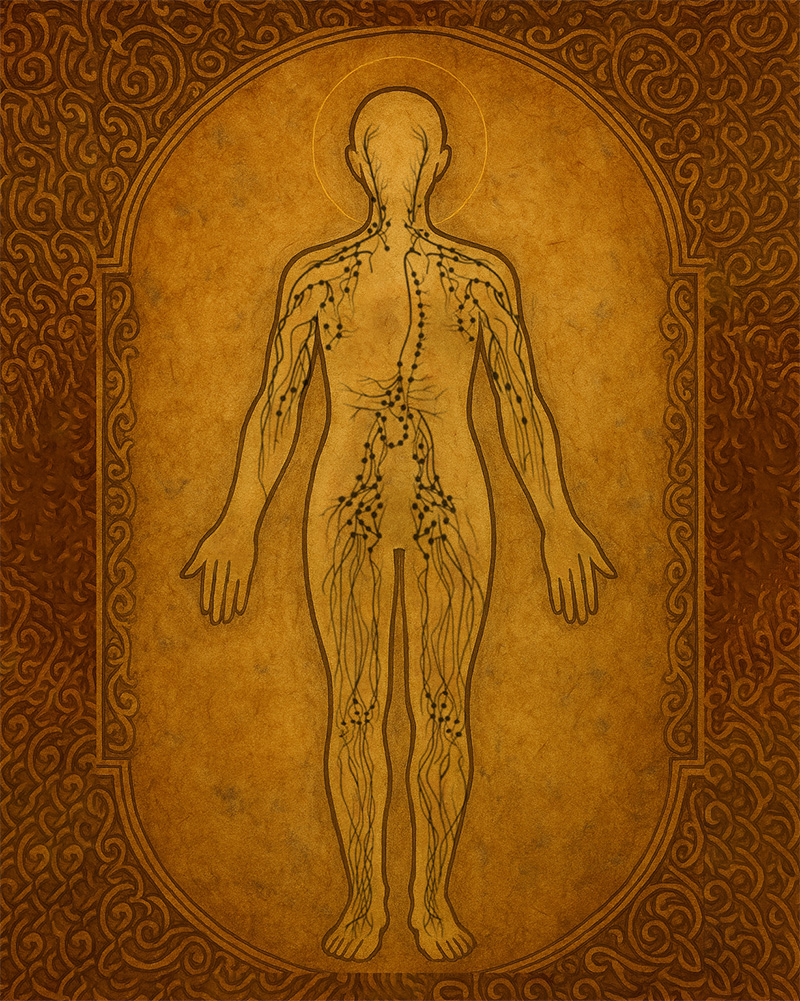
Before you roll your eyes at the word “detox”: your lymphatic system is your body’s sanitation crew, and if it’s backed up — which it often is after viral illness especially if your body is stuck in survival mode and not sleeping — everything is stuck. The inflammation, the brain fog, the feeling like your body is retaining toxins like a hoarder keeps newspapers. You can’t rebuild when the wreckage is still inside.
I started exploring lymphatic massage after it really hit me just how much of a toxic nightmare LC really is. Every other lever had been pulled — nutrition, pacing, cellular support, vagus nerve stimulation — and still, something wasn’t right. After learning of the cycle of toxicity. I began to understand just how important the lymph system is — and how deeply it impacts detox, immunity, and post-viral repair.
The lymphatic system doesn’t have a pump. You are the pump… which is a problem when your energy is limited and movement makes you crash.
But we can coax it. We can support our lymph with breath, with flow, with light pressure and gentle movement because until your body can clear out the bad, it can’t rebuild the good.
Do Not Proceed If…
-
You have fever, facial infection, or visible redness/warmth in the head/neck.
-
You feel worse after – increased fatigue, dizziness, or PEM signals to reduce or stop.
-
You are currently in a COVID flare or crash.
I. Breath: Deep Abdominal Breathing
-
Why: Diaphragmatic breathing is a lymph pump. Long COVID often restricts lung expansion.
-
Instructions:
-
Sit or lie in a reclined position.
-
Place one hand on your belly, one on your chest.
-
Breathe deeply into the hand on your belly. Inhale slowly through your nose for 4 counts, exhale for 6 counts through pursed lips.
-
Do 5 breaths, resting in between each if needed.
-
⏳ Pace Note: If this induces lightheadedness, stop. Return later. Fatigue is feedback.
II. Prime the Drainage Zones: Neck and Underarm Flow Paths
“Before you open the tap, open the drain.” Stimulate the primary lymph exit points first.
A. Supraclavicular Dips (Above Collarbone):
-
Pads of fingers just above collarbone
-
Stretch skin down and inward, J-stroke motion
-
Repeat x10 (or x5 if fatigued)
B. Underarm Nodes:
-
Palm flat against armpit, gently push in toward chest
-
Hold and release. Repeat x10.
III. Cranial Clarity Sequence: Head and Neck
For brain fog, facial swelling, sinus pressure.
A. Neck Sides:
-
Hands flat under ears. Pull back and down.
-
Repeat 10 times, gentle rhythmic motion.
B. Neck Back:
-
Hands below skull base, stretch toward spine, then downward along neck.
-
Repeat x10.
C. Face Sequence:
-
Lightly sweep from center of lips outward toward ears.
-
Repeat over nose bridge, cheeks, under-eyes, and forehead.
-
Pinch and slide eyebrows outward.
-
Always end each sweep by pressing gently in front of ears.
IV. Chest & Back Flow: Encouraging Downstream Drainage
-
Collarbone to armpit: hand sweeps skin down and out
-
Upper back: roll shoulders gently or stretch arms across chest (if able)
🪶 Fatigue tip: You may break this into parts throughout the day.
Title: Yo Gaba Gaba
Yo Gaba Gaba
Gamma-aminobutyric acid, Dopamine & the gut
The gut microbiome and the immune system influence the production, regulation, and function of neurotransmitters like GABA & dopamine.
GABA (gamma-aminobutyric acid) is a key inhibitory neurotransmitter that plays a crucial role in balancing brain activity by slowing down or dampening neuronal signaling. It acts as the brain’s “brake pedal,” preventing overexcitement that can lead to anxiety, seizures, and other disorders.
After a COVID-19 infection GABA may face challenges in reaching the brain and maintaining optimal levels due to the systemic effects of SARS-CoV-2 on the body and brain. These disruptions occur because of inflammation, blood-brain barrier (BBB) dysfunction, oxidative stress, and neurotransmitter imbalances caused by the virus and its aftermath.
Symptoms of Reduced GABA Activity in Long COVID
- Anxiety and emotional dysregulation (e.g., “COVID rage”).
- Difficulty sleeping or insomnia.
- Brain fog, reduced focus, and memory problems.
- Sensory hypersensitivity (e.g., to light or noise).
- Fatigue and lack of emotional resilience.
GABA and the Gut-Brain Axis
GABA is the brain’s primary inhibitory neurotransmitter, helping to regulate excitability and emotional responses. The gut microbiome has a profound impact on GABA production and signaling. Gut Microbiota and GABA Production
• Certain gut bacteria, such as Lactobacillus and Bifidobacterium, produce GABA directly or influence its production in the brain.
• Dysbiosis (imbalance in gut microbiota) caused by factors like stress, inflammation, or COVID-19 can reduce the availability of GABA, disrupting the brain’s inhibitory balance.
• COVID-19-induced neuroinflammation and gut dysbiosis may lower GABA production or impair its receptor function. This can amplify stress responses and anxiety.
• The vagus nerve, a critical component of the gut-brain axis, plays a role in GABAergic signaling. Dysregulation of this pathway during or after COVID-19 can lead to heightened emotional reactivity or reduced inhibitory control.
Dopamine and the Gut-Brain Axis
Dopamine is a key excitatory neurotransmitter involved in motivation, reward, and executive function. It also has a significant connection to gut health. Gut Microbiota and Dopamine Regulation
• The gut microbiota indirectly influences dopamine production through its role in synthesizing precursor molecules like tyrosine and phenylalanine.
• Gut bacteria produce short-chain fatty acids (SCFAs) like butyrate, which support dopamine production in the brain by modulating neuroinflammation and blood-brain barrier integrity.
• COVID-19-induced microbiome changes can disrupt these processes, leading to dopamine dysregulation.
• Disruptions in gut health caused by COVID-19 may exacerbate dopamine dysregulation in neurodivergent individuals, potentially worsening executive functioning or mood regulation. COVID-19 and Dopamine
• COVID-19’s impact on systemic inflammation and the gut microbiota can reduce dopamine synthesis and signaling. This might explain reports of post-COVID anhedonia (loss of pleasure), fatigue, and cognitive fog, which may be more severe in neurodivergent individuals.
Reasons Neurotransmitters Have Trouble Reaching the Brain After COVID
Blood-Brain Barrier (BBB) Dysfunction The blood-brain barrier is a selective barrier that regulates what substances can enter the brain from the bloodstream.
SARS-CoV-2 and the resulting inflammatory cytokines (e.g., IL-6, TNF-alpha) can damage or weaken the BBB.
This damage allows harmful molecules (e.g., immune cells, inflammatory cytokines) to infiltrate the brain while impairing the transport of beneficial substances like GABA precursors.
Systemic Inflammation and Neuroinflammation COVID-19 triggers a widespread inflammatory response, including in the brain.
Chronic inflammation reduces the synthesis of GABA by affecting key enzymes (e.g., glutamic acid decarboxylase or GAD), which converts glutamate to GABA.
Pro-inflammatory cytokines disrupt the balance between excitatory (glutamate) and inhibitory (GABA) neurotransmission, favoring excitatory activity and contributing to symptoms like anxiety, brain fog, and emotional dysregulation.
Altered Gut-Brain Axis A large proportion of GABA is produced in the gut by beneficial bacteria, such as Lactobacillus and Bifidobacterium.
The virus often disrupts the gut microbiome (gut dysbiosis), reducing populations of GABA-producing bacteria.
Dysbiosis also impairs the vagus nerve-mediated communication between the gut and brain, limiting the gut's influence on brain GABA levels.
Oxidative Stress and Mitochondrial Dysfunction SARS-CoV-2 infection causes oxidative stress, damaging cells, proteins, and neurotransmitter pathways.
Mitochondrial dysfunction in neurons reduces the energy required to produce and release GABA.
Oxidative stress affects GABA receptors, making them less sensitive or functional.
Excitotoxicity (Glutamate Overload) GABA and glutamate work in balance; GABA inhibits excessive neural activity, while glutamate excites neurons.
Inflammatory cytokines increase glutamate release while reducing GABA production.
This results in excitotoxicity, where excessive glutamate overactivates neurons, causing cellular stress, neuroinflammation, and cognitive dysfunction.
Altered Transport Mechanisms GABA itself cannot cross the blood-brain barrier. Instead, its precursors (like glutamine) are transported into the brain for GABA synthesis.
Inflammation and BBB dysfunction impair the transport of GABA precursors, limiting the brain’s ability to produce adequate GABA.
Dysregulation of Hormones and Stress Pathways COVID-19 disrupts the hypothalamic-pituitary-adrenal (HPA) axis, leading to elevated stress hormones like cortisol.
Chronic stress depletes GABA levels and reduces receptor sensitivity, exacerbating anxiety and neurological symptoms.
Support for GABA and dopamine function post-COVID
Interventions targeting the gut-brain axis may be effective:
- Probiotics • Strains like Lactobacillus rhamnosus (GABA production) and Bifidobacterium longum (dopamine regulation) can help restore neurotransmitter balance.
- Prebiotics and SCFA Support • Diets rich in fiber (e.g., fruits, vegetables, whole grains) promote SCFA production, supporting dopamine synthesis and neuroprotection.
Title: Dreamscape of the Night’s Mind
A Formerly Proud Insomniac for Restorative Sleep
“I’ll sleep when I’m dead.” A phrase I often uttered when I had too much work & too few hours in the day.
“On my home planet, the days are longer.” I would often jest with a grin to dismiss inquiries about my poor sleep habits.
…Then my brain fried.
After COVID I had an awful time regulating sleep. My sleep schedule consisted of no schedule with terrorizing bouts of insomnia & broken sleep while also sleeping just too much all the time because my cells were utterly exhausted from fighting this battle without enough support. That fatigue is a cry for help from your cells.
While I was searching for answers about what could be misfiring with my own brain I began looking at brain health on the whole and learned just how much I could make restorative sleep do for me both on my journey to Living with Long Covid as well as for me personally, professionally, and as a creative.
Achieving deep, restorative sleep can help repair cellular damage, regulate the immune response, and improve cognitive function, all while supporting mental health. However, the lingering effects of the virus, including fatigue, inflammation, and neurological symptoms like brain fog or anxiety, often interfere with sleep cycles.
Essential Processes That Happen During Sleep
Immune System Repair and Regulation Sleep enhances the production of cytokines, proteins critical for fighting infections and reducing inflammation. Poor sleep impairs immune cell function, particularly T cells and natural killer (NK) cells, which are crucial for clearing lingering viral particles.
Brain Detoxification: During sleep, the glymphatic system becomes active, flushing out metabolic waste and neurotoxins, including beta-amyloid proteins. This is particularly important in combating brain fog and cognitive dysfunction after COVID-19.
Neurotransmitter Balance: Sleep restores neurotransmitter levels, including GABA and serotonin, which help regulate mood, reduce stress, and promote a sense of calm—important for managing COVID Rage and emotional dysregulation.
Mitochondrial Recovery: Sleep supports mitochondrial repair and biogenesis, replenishing the cellular energy reserves depleted by prolonged illness.
Hormonal Regulation: Sleep regulates hormones like cortisol (stress hormone) and melatonin (sleep-wake cycle regulator), which are often disrupted during long COVID.
Without a cure, we have to utilize every means available to help to strip away the layers of hell that is Long Covid.
Stages of Sleep & Their Roles in Recovery
Sleep cycles consist of two primary types: Non-REM (NREM) and REM sleep. Each serves distinct restorative functions.
Non-REM Sleep (Stages 1-4):
Stage 1: Light Sleep.
Transition from wakefulness to sleep.
Brain waves: Theta waves (4-8 Hz).
Function: Prepares the body for deeper sleep.
Stage 2: Deeper Light Sleep.
Brain activity slows, and sleep spindles (bursts of brain activity) appear.
Function: Helps consolidate memories and regulate heart rate and body temperature.
Stage 3 and 4: Deep Sleep (Slow-Wave Sleep).
Brain waves: Delta waves (0.5-4 Hz).
Function:
Cellular repair: Growth hormone is released to repair tissues and build energy reserves.
Immune strengthening: Enhances immune system function.
Essential for combating fatigue, reducing inflammation, and healing the body.
REM Sleep:
Occurs in cycles, typically 90 minutes after sleep begins.
Brain waves: Mixed frequency, similar to wakefulness.
Function:
Cognitive recovery: Processes emotions, consolidates memories, and strengthens learning.
Emotional regulation: Helps reset stress-response systems, reducing anxiety and mood swings often seen in COVID recovery.
Vital for mental clarity and emotional resilience.
How to Support a More Restorative Sleep
Achieving deep, restorative sleep can be challenging during recovery, but the following strategies can help.
By the way, that cup of coffee this afternoon didn't help, either.
The mean half-life of caffeine in plasma of healthy individuals is about 5 hours. However, caffeine's elimination half-life may range between 1.5 and 9.5 hours, while the total plasma clearance rate for caffeine is estimated to be 0.078 L/h/kg (Brachtel and Richter, 1992; Busto et al., 1989). This wide range in the plasma mean half-life of caffeine is due to both innate individual variation, and a variety of physiological and environmental characteristics that influence caffeine metabolism (e.g., pregnancy, obesity, use of oral contraceptives, smoking, altitude). The pharmacological effects of caffeine are similar to those of other methylxanthines (including those found in various teas and chocolates). These effects include mild CNS stimulation and wakefulness, ability to sustain intellectual activity, and decreased reaction times.
Optimize Your Sleep Environment
Darkness: Use blackout curtains or a sleep mask to enhance melatonin production.
Quiet: Use white noise machines or earplugs to block disruptive sounds.
Sound Frequencies: Bineural Soundscapes & Brain wave frequency music can help to achieve a more restorative sleep by help usher your brain into the slower healing state.
Temperature: Keep your bedroom cool (60-67°F) to support deep sleep stages.
Regulate Your Circadian Rhythm
Morning Sunlight Exposure: Spend 15-30 minutes in sunlight shortly after waking to synchronize your sleep-wake cycle.
Avoid Blue Light at Night: Use blue-light-blocking glasses or apps, and turn off screens at least 1 hour before bed.
Nutrition and Supplements
Magnesium: Promotes relaxation and supports GABA activity (Dose: 200-400 mg at night).
Melatonin: Helps reset the circadian rhythm and improve sleep onset (Dose: 1-5 mg, 30 minutes before bed).
GABA Supplements: Enhances relaxation and reduces anxiety.
Tryptophan-Rich Foods: Turkey, nuts, and seeds to boost serotonin and melatonin levels.
Manage Stress and Anxiety
Breathing Techniques: Practice slow, deep breathing (e.g., 4-7-8 method) to calm the nervous system.
Journaling or art: Write down worries before bed to offload mental clutter.
Gentle Physical Activity
Engage in light exercise (e.g., walking or stretching) earlier in the day to improve sleep quality.
Avoid vigorous exercise within 2 hours of bedtime to prevent overstimulation.
Adopt a Sleep Routine
Go to bed and wake up at the same time every day, even on weekends.
Develop a pre-sleep ritual (e.g., reading, herbal tea) to signal your body it’s time to wind down.
Address Sleep Disruptors
Limit Caffeine and Alcohol: Avoid both in the afternoon and evening.
Sleep Apnea Check: If you snore or wake up unrefreshed, consult a doctor for potential sleep apnea.
Tackle Restless Legs: Magnesium or iron supplementation may help.
Herbal Teas
Herbal Teas to Help Support Restorative Sleep
Herbal teas can be a gentle and effective way to support sleep by calming the nervous system, promoting relaxation, and encouraging restorative sleep cycles. Many herbs used in teas have sedative, anti-anxiety, or muscle-relaxing properties that make them ideal for addressing sleep disturbances, especially during recovery from COVID-19 or long COVID.
As always, check with your doctor before making any changes to diet & exercise especially if you take any other medications. Herbal teas are not regulated by the FDA, so there is no FDA approved usages of these. As always, always check with your doctor before starting any supplements or herbal remedies.
Chamomile Tea is known for its mild sedative effects. Contains apigenin, an antioxidant that binds to GABA receptors in the brain, promoting relaxation and reducing anxiety.
Best For: Calming pre-sleep anxiety, promoting restful sleep.
How to Use: Brew 1-2 teaspoons of dried chamomile flowers in hot water for 5-10 minutes.
Valerian Root Tea Enhances GABA activity, calming the nervous system and helping with sleep onset. May help reduce insomnia and improve sleep quality.
Best For: Falling asleep faster and staying asleep longer.
How to Use: Brew valerian root for 10-15 minutes; combine with other herbs like chamomile or passionflower for enhanced effects.
Passionflower Tea boosts GABA levels in the brain, which reduces stress and promotes relaxation. May be effective for improving sleep latency and quality.
Best For: Addressing mild anxiety and difficulty falling asleep.
How to Use: Steep 1 teaspoon of dried passionflower in hot water for 5-10 minutes.
Lavender Tea contains linalool, which has calming and sedative effects.
Reduces stress, lowers heart rate, and promotes a sense of calm.
Best For: Relaxing the mind and body before bed.
How to Use: Brew dried lavender buds for 5-7 minutes. Combine with lemon balm or chamomile for extra relaxation
Lemon Balm Tea is a member of the mint family, lemon balm reduces cortisol and promotes relaxation by increasing GABA activity. May improve mood and reduce restlessness.
Best For: Easing nervous tension and improving sleep quality.
How to Use: Steep 1-2 teaspoons of dried lemon balm leaves in hot water for 5-10 minutes.
Peppermint Tea While not sedative, peppermint tea relaxes muscles and soothes digestion, which can help create a more comfortable pre-sleep state.
Best For: Reducing tension headaches or digestive discomfort before bed.
How to Use: Brew fresh or dried peppermint leaves for 5-10 minutes.
Ashwagandha Tea is an adaptogen that helps regulate cortisol levels, reduce stress, and improve sleep cycles. Contains compounds that may enhance GABA activity.
Best For: Combating stress-induced sleep problems and improving restorative sleep.
How to Use: Simmer ashwagandha root in water for 15 minutes or use a powdered form in hot milk or water.
Rooibos Tea is caffeine-free and rich in antioxidants, rooibos helps reduce oxidative stress and inflammation, promoting a calm state for sleep.
Best For: Supporting overall relaxation and reducing mild anxiety.
How to Use: Brew for 5-7 minutes. Safe to drink daily.
Title: Alive with Sound & Music
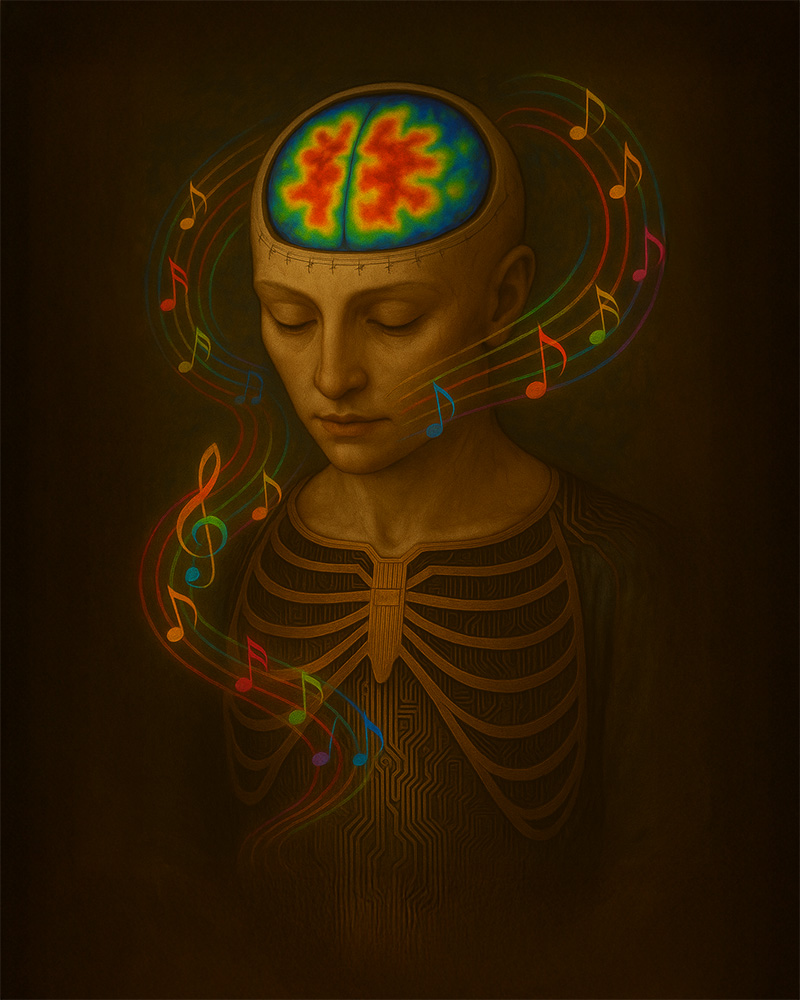
The Brain Is Alive With Sound & Music
The brain is an electrical organ. Every thought, emotion, and memory rides on waves of frequency — oscillations that shape how we feel, focus, rest, or recover.
After Long COVID, those frequencies often go haywire. You might feel wired and exhausted at the same time. Your thoughts race while your body drags. Sleep doesn’t restore. Focus doesn’t land. That’s dysregulation. And one of the most powerful tools to reintroduce regulation is sound.
But the right kind of sound. Music with rhythm, resonance, and the right frequency range can gently guide your brain into calmer, slower states. It’s not sedative. It’s supportive. It’s the auditory equivalent of reminding your nervous system that it’s safe enough to downshift.
Healing doesn’t happen in beta — the highly active state most of us are stuck in. Healing happens in alpha, theta, and delta — the slower states where memory resets, inflammation calms, and restoration begins.
Understanding Brainwave States
Gamma (35–100+ Hz)
-
The fastest wave state
-
Associated with insight, heightened awareness, spiritual connection, and intense focus
-
Useful in bursts — but too much can lead to hypervigilance, sensory overload, and mental fatigue
Beta (13–35 Hz)
-
Everyday waking consciousness
-
Focus, problem-solving, alertness, and decision-making
-
Chronic overuse (hello, modern life) leads to anxiety, racing thoughts, poor sleep, and cortisol surges
Alpha (8–12 Hz)
-
Calm, relaxed alertness — the “healing window”
-
Enhances neuroplasticity, creativity, and emotional processing
-
Often underactive in chronic illness; restoring alpha can help quiet the nervous system and reboot vagal tone
Theta (4–8 Hz)
-
Dreamy, intuitive, memory-reorganizing state
-
Active during meditation, light sleep, deep focus, and emotional healing
-
Helps rewire trauma, unlock repressed memory, and allow new cognitive patterns to emerge
Delta (0.5–4 Hz)
-
Deepest sleep wave — non-REM restorative sleep
-
Where glymphatic detox happens and tissue repair occurs
-
A lack of delta sleep means poor recovery, inflammation buildup, and mental exhaustion
Why This Matters for Recovery
After Long COVID or any form of chronic nervous system dysregulation, the brain often gets stuck in beta — running hot, scanning for danger, unable to drop into restorative states.
Shifting into slower rhythms like alpha, theta, and delta:
-
Encourages cellular and emotional healing
-
Lowers inflammation by calming the sympathetic nervous system
-
Supports deep sleep, memory reconsolidation, and immune recalibration
This is about inviting your brain into the right rhythm for what it needs — which, after surviving viral chaos, is restoration.
To Support ALPHA (8–12 Hz): The Healing Window
This is the calm, focused-but-relaxed state — where your body starts to self-regulate, your creativity wakes up, and your vagus nerve says thank you.
Music That Helps Usher Alpha:
-
Slow-tempo classical (60–70 bpm): Bach’s “Air on the G String,” Pachelbel’s Canon
-
Instrumental jazz or soft improvisation with space between notes
-
Gentle acoustic guitar or piano without vocals
-
Lo-fi beats or mellow downtempo electronica without heavy bass
-
Gregorian chant or harmonic singing (tonal with no rhythmic drive)
When to use it:
Midday reset, winding down after mental stimulation, easing anxiety, preparing the brain for sleep or creativity.
To Support THETA (4–8 Hz): The Emotional Processing State
This is where the brain reprocesses emotion, reorganizes memory, and starts the deep work of integration and neuroplasticity. It’s also the dream state — awake or asleep.
Music That Helps Usher Theta:
-
Drumming at 4–7 beats per second (think slow tribal, shamanic, or heartbeat-mimicking percussion)
-
Ambient drone music with deep pads, subtle melodies
-
Minor key cello or violin solos (like Yo-Yo Ma’s interpretations of Bach or folk themes)
-
Binaural beats or isochronic tones specifically targeting 4–8 Hz (headphones required)
-
Harmonic overtone singing or Mongolian throat singing — weirdly effective
When to use it:
During meditation, journaling, emotional processing, bodywork, or proprioceptive training. Also powerful for pre-sleep or trauma-repatterning sessions.
To Support DELTA (0.5–4 Hz): The Deep Repair State
Delta is the slowest frequency range and where the brain does its night-shift: clearing toxins, repairing tissues, regulating the immune system. It’s nearly impossible to reach consciously — but music can help create the conditions for delta sleep.
Music That Helps Usher Delta:
-
Low-frequency, non-melodic ambient tracks (think: dark synth pads, oceanic hums)
-
Nature sounds like rain, deep river flow, slow thunder, or low wind
-
Classical adagios played very slowly (Arvo Pärt’s “Spiegel im Spiegel,” or Gorecki’s Symphony No. 3)
-
Delta-specific sound therapies (search for clinically produced sleep music with delta binaural beats — but use good headphones)
-
Breath-synced soundscapes where inhale/exhale pacing is mirrored in the rise and fall of sound
When to use it:
Just before sleep. Also during naps, passive therapies (like lymphatic massage or craniosacral), or when trying to recover from overstimulation.
Music for Vagal Tone & Emotional Regulation
Not quite a brainwave category — but important. Music that stimulates vagus nerve activity can help regulate heart rate, breath, and digestion — all of which go haywire with dysautonomia or post-viral imbalance.
Music That Helps Vagal Recovery:
-
Humming-based music or music that makes you want to hum/sing along softly
-
Low-register instruments (like cello, bass clarinet, baritone sax)
-
Simple choral arrangements, especially in resonance-rich spaces (cathedrals, reverb-heavy recordings)
-
Songs with slow phrasing and space to breathe — like sacred music or stripped-down folk

Title: Lemons for Ginger
Relearning the Art of Deliciousness
For me, I never really fully lost my taste, but there were countless times that it was very hard to taste, as if the flavor were a distant memory and I had to concentrate to get it back. Recovery is possible, and it starts with simple, small but deliberate steps.
Taste and smell are intricately connected, and retraining your senses can help restore your palate.
Begin with simple smell exercises: inhale the aroma of vibrant essential oils like citrus or cinnamon twice daily, focusing on the memories they evoke.
Pair this with mindful eating: Instead of mourning what’s missing, explore what’s still there—sweet, salty, bitter, sour, can all act as guideposts on your journey back to experiencing life more fully.
Texture also plays a role: Try foods that wake up your senses with contrast: creamy avocado paired with crispy toast, or a hot bowl of soup next to a cold, tangy salad.
Adding spices, fresh herbs, and sour elements like lemon can help stimulate gustatory cells and make meals more satisfying, even when taste feels distant.
Hydration is essential: A dry mouth can dull what little sense of taste remains, so keep water and tart beverages like lemon water close at hand. Recovery might be slow, but every day offers a chance to rebuild.
Be on the look out for the upcoming sections:
Language
Vestibular Dysfunction

When to See a Doctor About Neurological & Psychological Symptoms After COVID-19
If your brain feels sluggish & foggy, if your emotions are unpredictable, or your mental health seems to be slipping beyond what’s manageable, it’s time to call the doctor… (yet again). Here’s when to seek medical advice:
- Brain Fog That Disrupts Daily Life: Forgetting appointments, tasks, or names or words repeatedly may warrant attention. Persistent memory issues or difficulty focusing may signal deeper neurological effects.
- Frequent or Intense Headaches: Occasional headaches are common, but if they’ve become regular and have increased in intensity since COVID-19, it could indicate lingering inflammation or nerve involvement.
- Unusual Mood Swings or Emotional Outbursts: If you find yourself snapping over small things or your emotions feel wildly out of control, you may have emotional dysregulation, what I refer to as “COVID rage,” which merits professional attention.
- Neurological Symptoms Like Numbness or Dizziness: Tingling in your hands or feet, unexplained dizziness, stumbling or feeling “off balance” might suggest neurological involvement that needs investigation.
- Anxiety, Depression, or Suicidal Thoughts: The psychological toll of COVID-19 is real, and the virus has been linked to increased risks of mental health challenges. If you feel like you’re having spiraling anxiety or depression, or having thoughts of self-harm. Please reach out for help immediately.
LongCovid.Physio – Post Exertional Malaise | Science Direct -Psychiatric and neurological complications of long COVID
| VeryWell Health – How to get your taste back | Successful application of pulsed electromagnetic fields in a patient with post-COVID-19 fatigue: a case report – PubMed
https://www.yalemedicine.org/news/early-onset-cancer-in-younger-people-on-the-rise
Exploring the Intricacies of Neurologic Music Therapy – Face The Music
https://neurosciencenews.com/facial-stimulation-glymphatic-29213/
https://blog.reneerouleau.com/lymphatic-drainage-facial-massage-how-to/
Human Cell Organelles in SARS-CoV-2 Infection: An Up-to-Date Overview – PMC
How the coronavirus destroys cells and how scientists attempt to disarm it | Stanford Medicine
How does the novel coronavirus infect a cell? | Scripps Research
https://time.com/7206080/long-covid-psychiatric-wards/
https://www.cnn.com/2020/04/28/us/er-doctor-coronavirus-help-death-by-suicide-trnd/index.html
https://www.ucsf.edu/news/2022/01/422156/cerebrospinal-fluid-offers-clues-post-covid-brain-fog
https://batemanhornecenter.org/education/long-covid/
https://www.wired.com/story/microbiota-vault/
https://www.wired.com/story/fish-have-a-brain-microbiome-could-humans-have-one-too/
Global branches and local states of the human gut microbiome
https://en.wikipedia.org/wiki/COVID-19_pandemic_by_country_and_territory