

If you’re skimming…
- The Crash That Changes Everything
- What Post-Exertional Malaise in Long COVID Actually Feels Like
- Why Long COVID PEM Is More Than Fatigue
- The Biology Behind Post-Exertional Malaise in Long COVID
- Why Thinking, Stress, and Sensory Overload Can Trigger a Crash
- The Push-Crash Cycle in Long COVID
- Pacing for Long COVID PEM: The Most Important Shift
- Reframing Your Mindset
- Why Long COVID Recovery Requires a New Relationship With Energy
- How to Spot Your PEM Triggers Before the Crash Lands
- Why Rest in Long COVID Recovery Is Treatment
- Can People Recover From Post-Exertional Malaise in Long COVID?
- A Better Way to Understand Long COVID PEM
- Frequently Asked Questions about Post Exertional Malaise in Long COVID
- Article Links & Resources
The Crash That Changes Everything
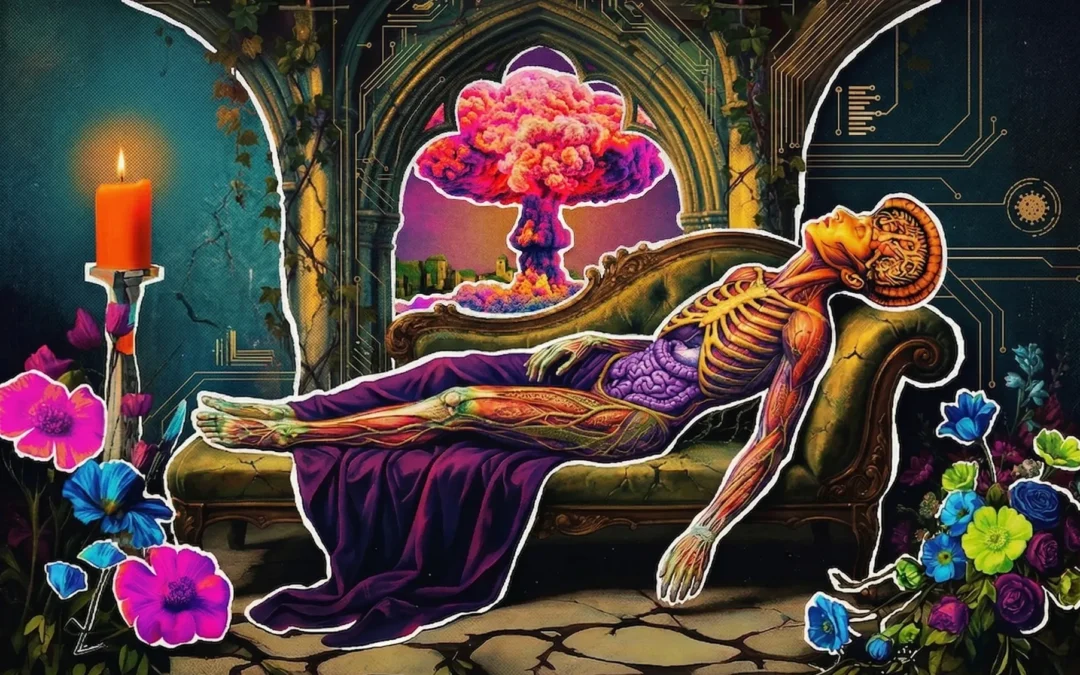
There is a point some people get with Long COVID where effort has a kind of radioactive fallout where a simple shower becomes a debt and an outing becomes an expensive bill that arrives 2 days later.
It’s not your imagination, it is post-exertional malaise, often shortened to PEM, and is one of the most life-altering features of Long COVID. It is not an ordinary tiredness after doing too much. It is a disproportionate worsening of symptoms after physical, cognitive, or emotional exertion, often delayed by 12 to 48 hours and capable of lasting days, weeks, or longer. Even small tasks can trigger a crash because the issue is not motivation, conditioning, or grit but that the body’s recovery systems are no longer handling energy demand the way they once did.
For many, this is the moment the illness becomes impossible to explain with familiar language. “Fatigue” sounds flimsy because what is actually happening inside your body is closer to a systemic collapse where the body loses its ability to absorb ordinary life, and because the crash is often delayed people can feel almost normal while they are walking themselves into a brick wall. People end up scratching their head at why they are so drained not linking it to the exertion 2 days prior.
What Post-Exertional Malaise in Long COVID Actually Feels Like
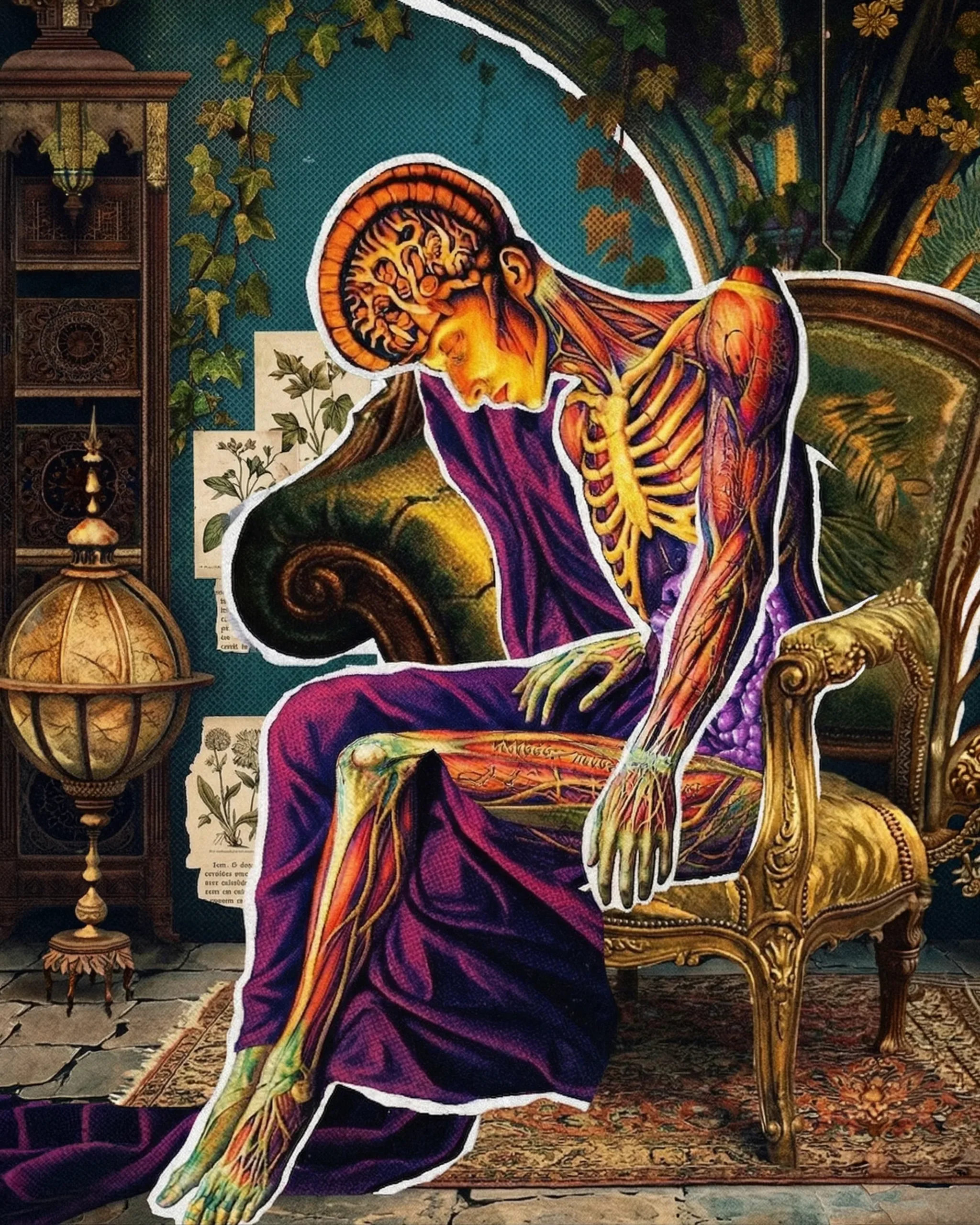
I think the best description is that you feel like a zombie, like the actual the walking dead. Tired does not cut it. This is utter exhaustion that can’t be quenched with sleep. You feel brainless because cognition takes so much effort.
It can land first in the muscles as a leaden heaviness, a flu-like exhaustion, or the unsettled sensation of being both drained and overstimulated at the same time. For others, it strikes the brain first as thinking can start feeling sludgey.
Words start going missing, reading hurts, screens are too bright and upright posture may suddenly cost more than the body can afford, especially when dizziness, palpitations, orthostatic intolerance, or temperature dysregulation enter the equation. Sore throat, swollen lymph nodes, chills, body pain, light sensitivity, sound sensitivity, and smell sensitivity can all intensify during a crash, which is part of why PEM can feel like the body’s entire operating system is buckling under strain.
People with Long COVID are often told by professionals to rebuild slowly, push carefully, or increase activity in measured increments. But the usual rehabilitation logic can become its own injury. In post-COVID illness, especially when PEM is present, graded exercise therapy has raised serious concern because increasing activity can worsen relapses and drive deeper functional decline.
Why Long COVID PEM Is More Than Fatigue
Emerging work points toward disrupted cellular bioenergetics, impaired oxygen use, microvascular dysfunction, and neuroinflammation as central pieces of the puzzle. In plain language, the body may be struggling to create usable energy efficiently, deliver oxygen cleanly, and recover after demand. Some studies point to mitochondrial dysfunction, including abnormal ATP synthase behavior and peroxisome dysfunction, which suggests that cellular energy production may become wasteful, unstable and toxic.
That helps explain why ordinary exertion can suddenly feel very expensive. In healthy physiology, the body handles most daily activity through aerobic metabolism but with PEM, the anaerobic threshold appears to arrive too early and the system shifts into a more metabolically costly state at lower levels of effort, which can create a kind of debt the body struggles to repay. Two-day cardiopulmonary exercise testing has shown something striking here: people with PEM often perform worse on day two, with reduced oxygen consumption and lower workload capacity, which is one of the clearest objective signs that this is not simple deconditioning.
The Biology Behind Post-Exertional Malaise in Long COVID
Blood vessels may also be part of the story as endothelial dysfunction and fibrin-amyloid microclots have been identified in Long COVID research, with these clots potentially impairing microcirculation and limiting oxygen delivery at the capillary level. If tissues are being under-served while demand rises, the crash begins to make terrible sense.
Why Thinking, Stress, and Sensory Overload Can Trigger a Crash
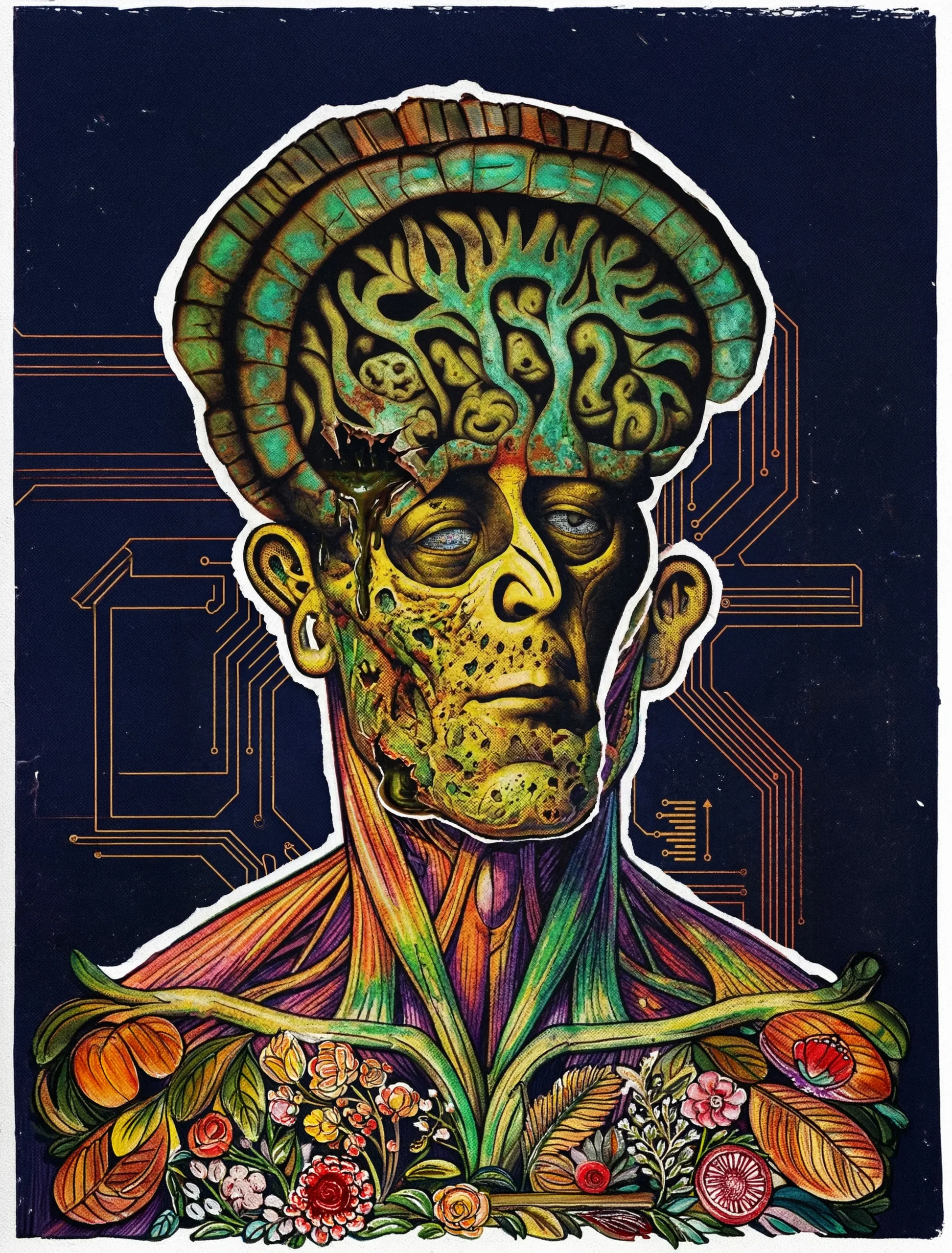
One of the most confusing parts of PEM is that a hard conversation, noisy room, day of decision-making, screen time, emotional strain, or sensory overload can do it. That pattern points toward the brain and nervous system. Persistent neuroinflammation, microglial activation, and blood-brain barrier disruption are possible mechanisms behind the cognitive and sensory side of PEM. When the brain is already inflamed and metabolically strained, mental effort can function like exertion. Bright light, layered sound, social intensity, and information overload stop feeling neutral because the filtering system itself is under intense strain.
This is why some people with Long COVID can feel a little betrayed by “good days” where they may have enough energy to participate in life for a few hours, yet the body tallies the cost later. That delay creates confusion, then self-doubt, then the push-crash cycle that keeps people trapped and because modern life rewards override behaviors, PEM often punishes those instincts people have been trained with their whole lives.
The Push-Crash Cycle in Long COVID
The push-crash cycle is one of the most frustrating rhythms in chronic illness because it often begins with a spark of hope.
One morning you wake up with a little more energy so you catch up on a few texts, answer some emails, wash your hair, make a proper meal, maybe even take a short walk because for one brief morning your old life feels almost within reach… But then the bill arrives and the simple act of being upright becomes a struggle. You come to realize that capacity and desire are at a brutal mismatch.
This can be where some recoveries stall as people use a good day as the cue that they are ready for more, while PEM treats that same day as evidence that the body was already overdrawn. The result is a sawtooth pattern of brief expansion followed by collapse that outweighs. In these cases, pacing is the gold-standard management strategy precisely because this cycle is so common and so damaging.

Pacing for Long COVID PEM: The Most Important Shift
Pacing means staying within your energy envelope so the body is less likely to tip into symptom escalation. That envelope is smaller than most people want it to be, and smaller than it may look from the outside. One practical model in the literature is the 80% rule: use only about 80% of the energy you believe you have, leaving a reserve for basic physiological maintenance and those surprises that always seem to arrive late.
This is not laziness dressed up in medical language. It is strategy. It is choosing not to spend the next 3 days worth of energy today.
Reframing Your Mindset
Pacing also asks for fragmentation. Instead of completing a task in one uninterrupted stretch, you break it into smaller pieces and rest before symptoms force the issue. Cook, then stop. Shower, then lie down. Reply to one message, then let the nervous system settle. This feels unnatural at first because healthy bodies often respond well to momentum while a body with PEM often respond better to interruption with rest.
Mindfulness here is paramount, as it is now crucial to anticipate your energy needs before they arrive. There are now pacing apps such as Visible, which was designed by someone who has Long COVID and about half the team has lived experience with energy-limiting illness, so the product is very much patient led. Visible – Activity tracking for illness, not fitness.
Why Long COVID Recovery Requires a New Relationship With Energy
The emotional shift here is just as important as the practical one because many people with Long COVID keep measuring themselves against who they were before infection, and that comparison simply isn’t fair to your post-COVID body struggling to survive and genuinely works against recovery.
Pacing reframes your life around: what can my body do today without paying for it tomorrow (and beyond)?
That shift takes patience and restraint. Your mind may want to push forward, and your heart may want to return to it’s old pace of life, but the body often isnt ready and recovery can only begin when that quieter signal is allowed to set the pace, even if it feels turtle slow!
How to Spot Your PEM Triggers Before the Crash Lands
Symptom journaling, heart-rate monitoring, step counters, and apps such as the visible system are useful tools for identifying patterns before a crash fully blooms. A person may feel “fine” during the activity itself while objective signs are already hinting that the system is under strain. Heart-rate monitoring can help people stay below their ventilatory anaerobic threshold, while other data may suggest mounting autonomic stress even before symptoms roar to the surface.
If symptoms spike on Wednesday, the relevant overexertion may have happened Monday. If your mind feels shredded after a social event, the trigger may have been the lighting, the layered sound, the emotional load, the drive there, and the fact that you were upright too long, all braided together.
PEM may also come from accumulated friction, not only a single exhaustion event.
Why Rest in Long COVID Recovery Is Treatment
Rest must stop being something you earn after productivity and must be embraced as part of the treatment itself. Effective rest is proactive and happens before the body forces surrender. It is protective as part of keeping the system from tipping over on itself.
That kind of rest often works best when it is low-sensory. Darker room. Less noise. Fewer screens. Horizontal posture when orthostatic symptoms are active. Think: Less is More… less conversation, less cognitive input, less fragrance, less brightness and less friction.. will lead to more and faster recovery.
In a PEM flare, the nervous system is already carrying too much signal. Recovery can only begin when the signals quiet and for many people, this is one of the hardest truths to accept because rest in modern culture is treated like an indulgence. In PEM, rest is how you heal and have more (and better) up time.
Can People Recover From Post-Exertional Malaise in Long COVID?
PEM is a biological reality with real functional consequences, and it can become profoundly disabling when it is ignored or misunderstood. At the same time, stabilization matters and the path forward centers on reducing crashes, respecting the body’s limits, using pacing and biofeedback when possible, and supporting cellular and autonomic recovery rather than repeatedly driving your system into collapse.
That is a slower recovery that begins with subtraction. Fewer overshoots lead to fewer crashes with fewer days lost to invisible overreach. But over time the body begins to hold a little more. These days I feel like I now have a very small energy credit.
The point is not to force your body back into your old existence because if you stop feeding the push-crash pattern and give your system the conditions under which healing has a chance to happen, your recovery can finally happen.
I have also seen some incredible research into PEMF devices such as the Resona Vibe Pocket PEMF, to help with ATP production as well as red light therapy devices and of course, functional nutrition.
While there is no magic bullet, each one of these things can help in layers.
A Better Way to Understand Long COVID PEM
Post-exertional malaise is one of the clearest reasons Long COVID requires a different moral language.
A body with PEM is not failing because it needs too much. It is surviving with an energy system that has become unusually fragile, reactive, and expensive to run. That changes what strength looks like. Strength may look like stopping earlier. Leaving the room sooner. Resting before the crash. Saying no while you still feel capable. Building a life that your nervous system can actually live inside.
Long COVID PEM FAQ: Practical Strategies for Preventing and Recovering From Crashes
What is the fastest way to stop a PEM crash once it begins?
The most effective response is immediate physiological downshifting. As soon as symptoms begin to escalate—fatigue, brain fog, dizziness, or flu-like malaise—the priority is reducing metabolic demand on the body.
The most helpful actions include:
• Stop activity immediately rather than “pushing through”
• Move into a quiet, low-stimulus environment
• Lie down if upright posture worsens symptoms
• Reduce cognitive load (screens, conversations, decision-making)
• Hydrate and stabilize blood sugar
PEM is a biological energy crash, not ordinary tiredness. The sooner the nervous system and metabolic system are allowed to settle, the shorter and less severe the crash may become.
Why does PEM happen hours or even days after activity?
One of the defining features of PEM is delayed symptom onset. The body initially appears to tolerate activity, yet the physiological cost accumulates silently.
Research suggests several mechanisms behind this delay:
• impaired mitochondrial energy production
• microvascular circulation problems that reduce oxygen delivery
• neuroinflammation that increases metabolic stress in the brain
• autonomic nervous system instability
Because of these factors, the body often enters a metabolic crisis hours later, once recovery systems fail to keep up with the earlier demand.
How do I prevent PEM crashes before they happen?
The most reliable prevention strategy is pacing, which means staying within your body’s energy limits rather than exceeding them.
Pacing works by balancing activity and rest so the body never crosses the threshold that triggers symptom escalation. This is considered the gold-standard management approach for PEM.
Successful pacing usually includes:
• planning activity in small increments
• scheduling rest before exhaustion appears
• avoiding bursts of “catch-up productivity”
• respecting delayed symptom patterns
Over time, consistent pacing helps reduce the frequency and intensity of crashes.
What is the “energy envelope” and how does it help recovery?
The energy envelope is the concept that every person with PEM has a limited daily energy supply. When activity exceeds that supply, the body enters a crash.
One practical rule derived from this concept is the 80% rule:
Use only about 80% of the energy you feel capable of using, leaving the remaining 20% as a safety reserve for physiological stability and unexpected demands.
This buffer helps prevent crossing the biological threshold that triggers PEM.
Why do mental tasks trigger PEM just like physical activity?
PEM is not limited to muscles. The brain is one of the most energy-demanding organs in the body.
Research suggests that persistent neuroinflammation and microglial activation in Long COVID increase the metabolic cost of thinking, concentrating, and processing sensory input.
This means activities such as:
• intense conversations
• multitasking
• screen exposure
• emotional stress
• busy environments
can all function as forms of exertion.
For many people, cognitive pacing becomes just as important as physical pacing.
How can I tell when I am approaching a crash?
Learning early warning signals is one of the most powerful tools for managing PEM.
Common early signs include:
• rising heart rate during mild activity
• sudden brain fog or word-finding difficulty
• dizziness or lightheadedness
• sensitivity to light or sound
• a sudden “wired but exhausted” feeling
Many patients use biofeedback tools such as heart-rate monitoring or heart-rate variability tracking to detect stress before symptoms become severe.
Recognizing these signals early allows you to stop activity before the crash fully develops.
Why do PEM crashes sometimes get worse over time?
Repeated crashes can create a pattern known as the push-crash cycle.
This cycle often looks like:
- A good day leads to increased activity
- Activity exceeds the energy envelope
- A delayed crash follows
- The crash reduces the baseline energy level
When this cycle repeats frequently, the body may become increasingly sensitive to exertion. Breaking the cycle through pacing and stabilization is essential for long-term recovery.
What role does nutrition play in PEM recovery?
Nutrition can support cellular energy production and reduce inflammation.
Research suggests several nutrients may support mitochondrial and metabolic function, including:
• Coenzyme Q10
• L-Carnitine
• Magnesium
• N-Acetylcysteine (NAC)
• B-vitamins
These nutrients help support energy metabolism and protect cells from oxidative stress.
In addition, maintaining stable blood sugar is important because glucose fluctuations can trigger symptoms similar to PEM crashes.
Can medications help reduce PEM?
Some clinicians are exploring medications that target inflammation and autonomic dysfunction, including:
• low-dose naltrexone (LDN) for neuroinflammation
• pyridostigmine to improve autonomic regulation
• therapies aimed at improving microvascular function
However, many of these treatments are still being studied and are not yet standardized therapies.
Patients should always consult a qualified medical professional before beginning any medication strategy.
Is it possible to recover from PEM over time?
Recovery often begins with stabilization rather than acceleration.
The most consistent improvement patterns occur when patients:
• reduce the frequency of crashes
• remain inside their energy envelope
• support cellular and nervous system recovery
• avoid repeated overexertion
As the body stabilizes, the baseline energy level may gradually increase. This allows activity levels to expand slowly without triggering severe relapses.
The path forward is rarely linear, yet many patients find that fewer crashes eventually leads to greater resilience.
Disclaimer:
This content is for informational and educational purposes only. It does not constitute medical advice, diagnosis, or treatment. Always consult with a qualified healthcare provider before making changes to your diet, medications, or lifestyle—especially if you are in a state of medical crisis or dealing with complex chronic illness.
This article was developed through a hybrid technique using a human-guided Authentic AI Educational System, combining peer-reviewed research with systems-level analysis for educational clarity with a fair amount of post generative human edits.

Article Links & Resources
Post-Exertional Malaise (PEM): Definition and Clinical Recognition
- Twisk FNM, Maes M. A review on cognitive behavioral therapy and graded exercise therapy in ME/CFS.
https://www.ncbi.nlm.nih.gov/pmc/articles/PMC5794245/ - Jason LA et al. Post-exertional malaise: Symptom exacerbation in ME/CFS and Long COVID.
https://www.ncbi.nlm.nih.gov/pmc/articles/PMC8294566/ - World Health Organization. Clinical case definition of post COVID-19 condition.
https://www.who.int/publications/i/item/WHO-2019-nCoV-Post_COVID-19_condition-Clinical_case_definition-2021.1
Long COVID and Post-Exertional Symptom Exacerbation
- Davis HE et al.Characterizing Long COVID in an international cohort.
https://www.nature.com/articles/s41586-021-03647-4 - Sudre CH et al.Attributes and predictors of Long COVID.
https://www.nature.com/articles/s41591-021-01292-y - CDC. Long COVID or Post-COVID Conditions.
https://www.cdc.gov/coronavirus/2019-ncov/long-term-effects/index.html
Mitochondrial Dysfunction and Impaired Energy Metabolism
- Singh KK et al. Mitochondrial dysfunction in SARS-CoV-2 infection and Long COVID.
https://www.ncbi.nlm.nih.gov/pmc/articles/PMC7556308/ - Appelman B et al. Long COVID and dysfunctional cellular energy metabolism.
https://www.ncbi.nlm.nih.gov/pmc/articles/PMC10146734/ - Naviaux RK et al. Metabolic features of chronic fatigue syndrome.
https://www.ncbi.nlm.nih.gov/pmc/articles/PMC5628969/
Microcirculation, Oxygen Delivery, and Endothelial Dysfunction
- Pretorius E et al. Persistent clotting protein pathology in Long COVID.
https://www.ncbi.nlm.nih.gov/pmc/articles/PMC8883597/ - Ostergaard L. SARS-CoV-2 related microvascular damage.
https://www.ncbi.nlm.nih.gov/pmc/articles/PMC7556303/ - Charfeddine S et al. Endothelial dysfunction in Long COVID patients.
https://www.ncbi.nlm.nih.gov/pmc/articles/PMC10042201/
Autonomic Nervous System Dysregulation and PEM
- Dani M et al. Autonomic dysfunction in Long COVID.
https://www.ncbi.nlm.nih.gov/pmc/articles/PMC8623228/ - Blitshteyn S, Whitelaw S. Postural orthostatic tachycardia syndrome following COVID-19.
https://www.ncbi.nlm.nih.gov/pmc/articles/PMC8009458/ - Raj SR et al. Autonomic disorders associated with post-acute COVID syndrome.
https://www.frontiersin.org/articles/10.3389/fneur.2021.688605/full
Cognitive Exertion, Neurological Load, and Delayed Symptom Crashes
- Van Campen CMC et al. Cognitive exertion and post-exertional malaise.
https://www.ncbi.nlm.nih.gov/pmc/articles/PMC8609064/ - Cook DB et al. Brain and autonomic responses to exertion in ME/CFS.
https://www.ncbi.nlm.nih.gov/pmc/articles/PMC4631854/
Pacing, Energy Envelope Theory, and Symptom Management
- Jason LA et al. The Energy Envelope Theory and illness management.
https://www.ncbi.nlm.nih.gov/pmc/articles/PMC5577762/ - MEAction. Pacing and management guide for post-exertional malaise.
https://www.meaction.net/resource/pacing-guide/ - Long COVID Physio. Pacing for people with post-exertional symptom exacerbation.
https://longcovid.physio/pacing
Exercise, Rehabilitation, and Harm Risk in PEM
- National Institute for Health and Care Excellence (NICE). ME/CFS guideline NG206.
https://www.nice.org.uk/guidance/ng206 - Vink M, Vink-Niese A. Graded exercise therapy harms in ME/CFS.
https://www.ncbi.nlm.nih.gov/pmc/articles/PMC8294566/
Prognosis, Stabilization, and Recovery Trajectories
- Nalbandian A et al. Post-acute COVID-19 syndrome.
https://www.nature.com/articles/s41579-022-00846-2 - Komaroff AL, Bateman L. Will COVID-19 lead to ME/CFS?
https://www.ncbi.nlm.nih.gov/pmc/articles/PMC7537968/